

By Kazeem Ajibola Shoyebo
With just four months to go before the FIFA World Cup kicks off across North America, Mexico’s readiness as one of the three host nations is under intense scrutiny following the killing of a powerful drug cartel leader and the wave of violence that followed. The unrest has reignited long-standing concerns about whether football’s biggest tournament can safely unfold on Mexican soil.
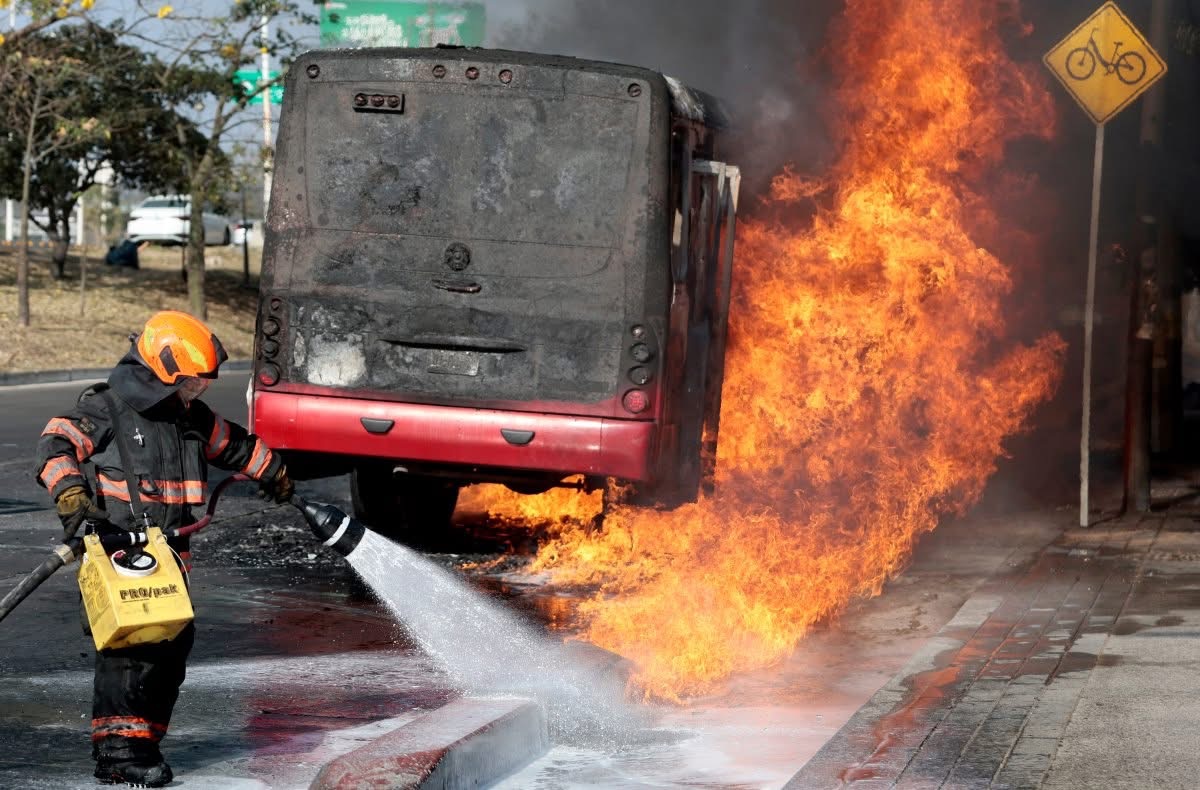
The crisis was triggered by the killing of Nemesio Oseguera Cervantes, widely known as “El Mencho,” leader of the Cartel Jalisco Nueva Generación (CJNG), one of Mexico’s most feared criminal organizations. His death prompted retaliatory attacks, transport disruptions, and security alerts in regions including Jalisco, home to Guadalajara — one of the official host cities for the 2026 World Cup. Airlines temporarily suspended flights to Puerto Vallarta, while domestic football matches were postponed due to security concerns.
The timing of the violence could hardly be more sensitive. Mexico is scheduled to host multiple matches, including high-profile fixtures in Mexico City, Monterrey, and Guadalajara. These cities are expected to welcome hundreds of thousands of fans from around the world, making security a top priority.
Security analysts warn that the elimination of a cartel kingpin often creates a dangerous power vacuum, triggering internal conflicts and violent competition among rival factions. Such instability can prolong violence, raising fears that unrest could continue into the World Cup period.
Yet paradoxically, experts also suggest that criminal groups themselves may have an incentive to avoid disrupting the tournament. Cartels are deeply embedded in local economies, with financial interests tied to tourism, hospitality, and commerce. A successful World Cup would generate billions in revenue — money that indirectly benefits multiple layers of society, including illicit networks.
FIFA and Mexican authorities have long anticipated security challenges. Mexico has experience hosting major international events, including the 1970 and 1986 World Cups, and security planning for 2026 has involved coordination between federal forces, local law enforcement, and international partners. Large-scale military and police deployments are expected to protect venues, teams, and fans.
However, the recent violence underscores the unpredictable nature of cartel-driven conflict. Organized crime remains one of Mexico’s most complex national security challenges, with powerful networks capable of launching coordinated attacks on infrastructure and security forces.
For FIFA, the stakes could not be higher. The 2026 World Cup, co-hosted with the United States and Canada, will be the largest in history, featuring 48 teams and millions of spectators. Any disruption in one host nation would have global ramifications.
Despite the tensions, there has been no official indication that Mexico will lose its hosting rights. Preparations continue, and authorities insist they can guarantee security.
Still, the situation serves as a stark reminder that the World Cup is not just a sporting spectacle but a global event shaped by political, economic, and security realities. For millions of fans dreaming of celebrating football in Mexico’s iconic stadiums, the hope remains that stability will prevail — and that the beautiful game will shine brighter than the shadows cast by violence.
Leave feedback about this