

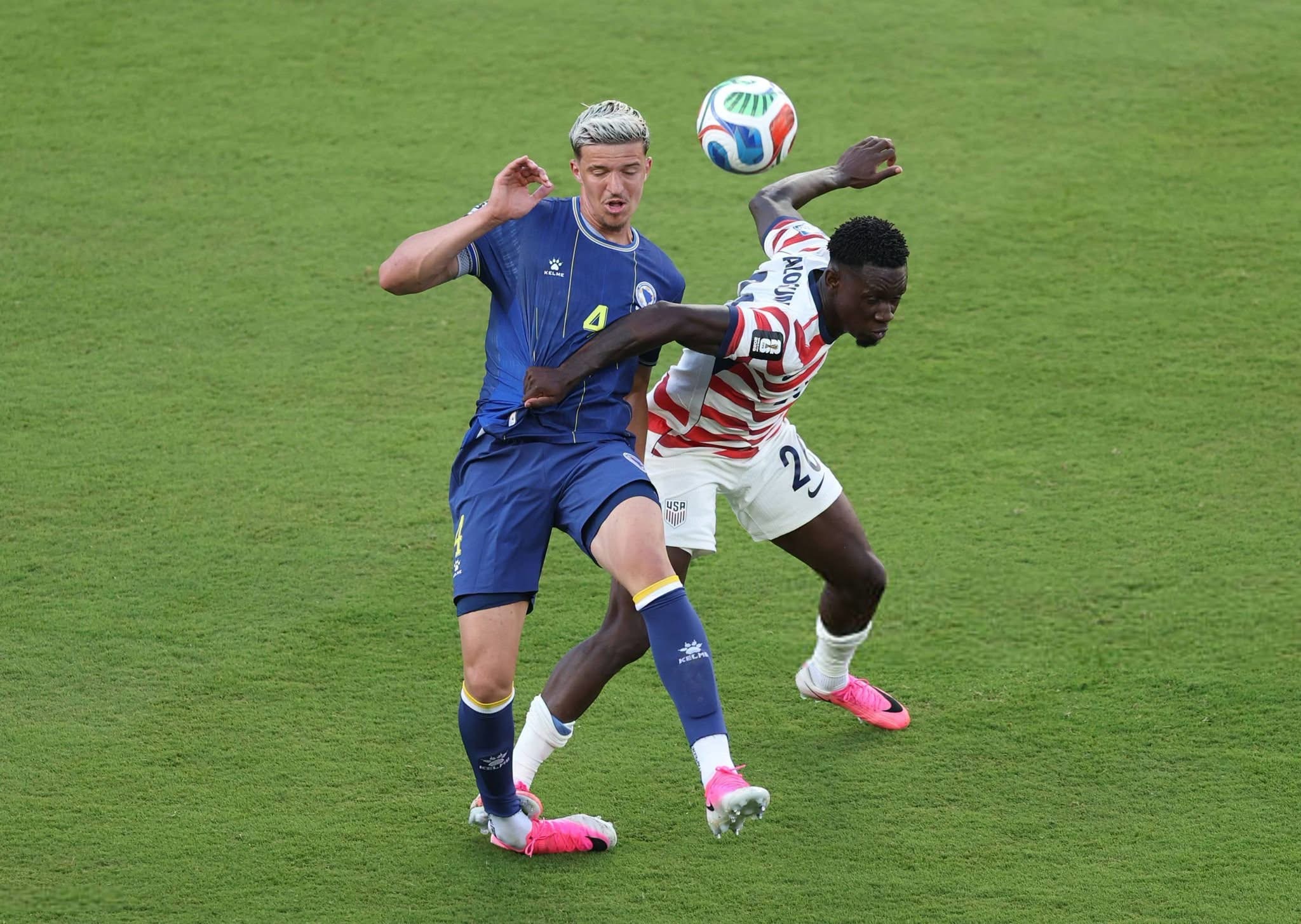
The Royal Belgian Football Association has accused FIFA of denying it access to key disciplinary documents and procedural explanations in the escalating controversy surrounding United States striker Folarin Balogun’s eligibility for the FIFA World Cup Round of 16.
In an extraordinary statement released just hours before Belgium’s knockout clash with the United States, the RBFA outlined what it described as a series of procedural failures by FIFA that ultimately left Belgium unable to properly challenge the governing body’s decision to suspend Balogun’s automatic one-match ban.
The Belgian federation said it first became aware of FIFA’s decision through media reports rather than official notification.
Seeking clarity, the RBFA wrote to FIFA requesting three things: a copy of the disciplinary decision, an explanation of the process followed and clarification on the regulations underpinning the ruling.
According to Belgium, none of those requests were answered.
Instead, FIFA allegedly informed the federation that its letter would be treated as a formal appeal.
The RBFA described the response as both unexpected and procedurally flawed.
Under FIFA’s own disciplinary framework, Belgium argues, an appeal cannot even begin until the full reasoned decision has first been communicated to the party wishing to challenge it.
Without receiving that decision, the RBFA says it was deprived of the opportunity to prepare a meaningful legal challenge.
The federation went further, alleging that FIFA effectively created an appeal process before simultaneously ensuring it could not succeed.
Belgium also raised concerns about events during the official match coordination meeting.
According to the RBFA, FIFA omitted its usual presentation on automatic player suspensions, despite including the same section before each of Belgium’s previous four World Cup matches.
The Belgian delegation says it immediately sought an explanation—both verbally and in writing—but received no response.
For the RBFA, the absence of transparency has become as significant as the disciplinary decision itself.
The federation insists that, even after repeated requests, it still has not received either the official decision suspending Balogun’s ban or any legal explanation justifying the move.
As a consequence, Belgium announced that it would formally challenge the striker’s eligibility.
However, the federation stressed that its concerns extend far beyond one player or one match.
It argued that football’s credibility depends on consistent application of the rules and warned that any perceived departure from established disciplinary procedures risks undermining trust in the sport’s governance.
The RBFA concluded by pledging to continue pursuing the matter regardless of the outcome on the pitch, saying it would defend “the fundamental principles of ethics, fair competition and the interests of football as a whole.”
Belgium’s intervention represents one of the strongest public confrontations between a national association and FIFA during the 2026 World Cup.
It follows UEFA’s unprecedented statement accusing FIFA of crossing “a red line” by suspending Balogun’s automatic ban, while former FIFA president Sepp Blatter and Italian Olympic Committee president Giovanni Malagò have also questioned the integrity of the process.
As scrutiny intensifies, the controversy has shifted from a dispute over one player’s eligibility to a broader debate about governance, transparency and whether football’s disciplinary rules are being applied equally to every nation.
With the RBFA indicating it intends to pursue the issue beyond the World Cup, the Balogun case appears likely to remain one of the defining governance stories of the tournament long after the final whistle.
Leave feedback about this