

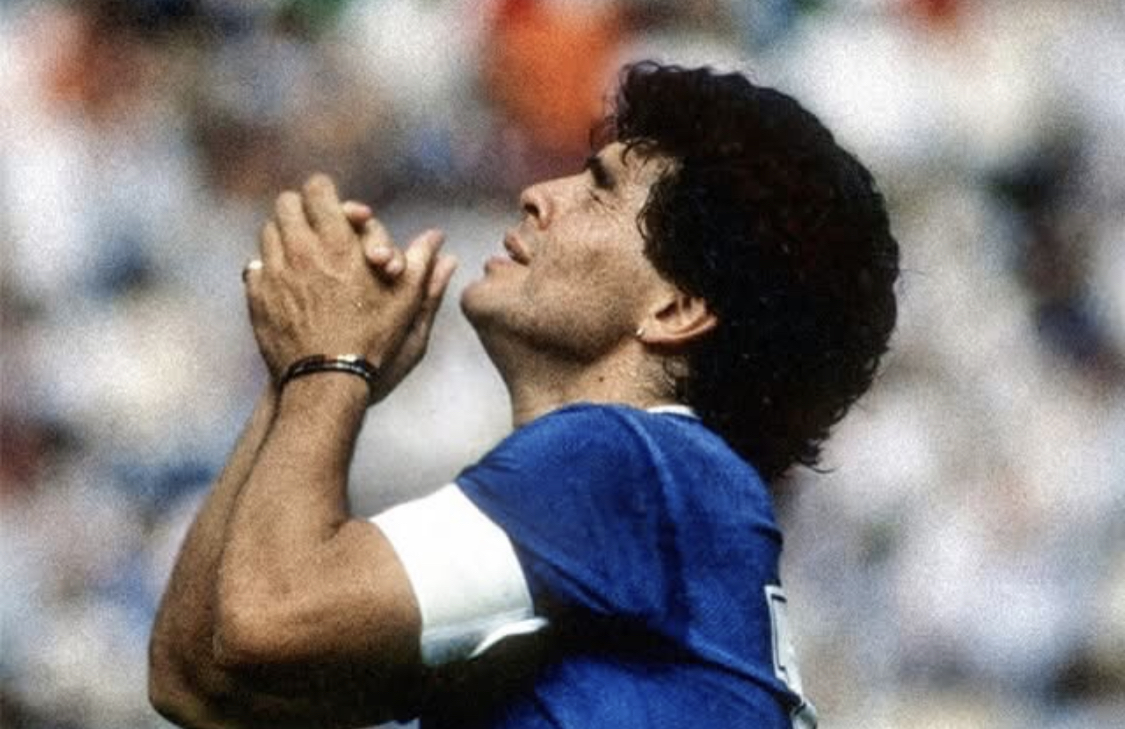
Argentine prosecutors have requested prison sentences of up to 12 years for members of Diego Maradona’s medical team over alleged negligence in the football legend’s death in November 2020, with his personal physician, Leopoldo Luque, facing the heaviest sentence request.
The prosecution presented its closing arguments on Thursday, October 8, 2026, accusing the medical professionals of failing to provide adequate care to the former Argentina captain during his recovery from brain surgery. The defendants have denied wrongdoing.
According to reports by AFP, L’Équipe and Argentina’s El País, prosecutor Patricio Ferrari requested 12 years in prison for Luque, a neurosurgeon who treated Maradona, arguing that the medical team’s failures contributed to the death of the 60-year-old football icon.
The prosecution also sought 10 years in prison for Nancy Forlini, the medical-care coordinator associated with Swiss Medical, and eight years for psychiatrist Agustina Cosachov.
Psychologist Carlos Díaz faces a requested five-year sentence, while nurse Ricardo Almirón and nursing coordinator Mariano Perroni face requests for four years each. Prosecutors withdrew their request for punishment against clinical physician Pedro Di Spagna, citing his limited authority over Maradona’s care.
The sentencing requests are recommendations to the court, not convictions. The judges must determine whether the evidence establishes criminal responsibility.
Prosecutors allege serious failures in Maradona’s final days
Maradona died on November 25, 2020, from heart failure and acute pulmonary oedema while recovering at a rented home in Tigre, near Buenos Aires. He had undergone surgery to remove a blood clot from his brain approximately two weeks earlier.
The case centres on whether the decision to allow the former Napoli and Barcelona star to recover at home, rather than in a properly equipped medical facility, exposed him to unacceptable risks.
Ferrari accused the medical team of operating in a chaotic manner that left Maradona vulnerable and without the necessary care. The prosecution argued that medical warning signs were not adequately addressed and that the arrangements for his recovery were insufficient for a patient with his complex health needs.
Assistant prosecutor Cosme Iribarren also argued that Maradona’s death was not an entirely sudden or unforeseeable event, maintaining that signs of his deteriorating condition had appeared before his death.
The prosecution’s case alleges that some members of the medical team understood the potential consequences of their actions or omissions but failed to take appropriate corrective measures.
Defendants reject allegations
The accused medical professionals have denied criminal responsibility, with their defence teams arguing that Maradona’s death was not foreseeable and disputing the prosecution’s account of their individual roles in his treatment.
The legal proceedings have attracted international attention because of Maradona’s status as one of football’s greatest players and the circumstances surrounding his final days.
The current trial began in April 2026 after the first trial, which opened in March 2025, was annulled following a judicial scandal involving one of the judges’ participation in a documentary about the case.
The retrial has examined the medical decisions made during Maradona’s final period of recovery and whether failures in his care contributed to his death.
With closing arguments now under way, the court must weigh the prosecution’s allegations against the defendants’ responses before reaching a verdict. No prison sentence has yet been imposed in the case.
Maradona, who captained Argentina to victory at the 1986 FIFA World Cup, remains one of the most celebrated figures in football history. The trial seeks to establish whether any members of the medical team should be held criminally responsible for the circumstances surrounding his death.
Leave feedback about this