


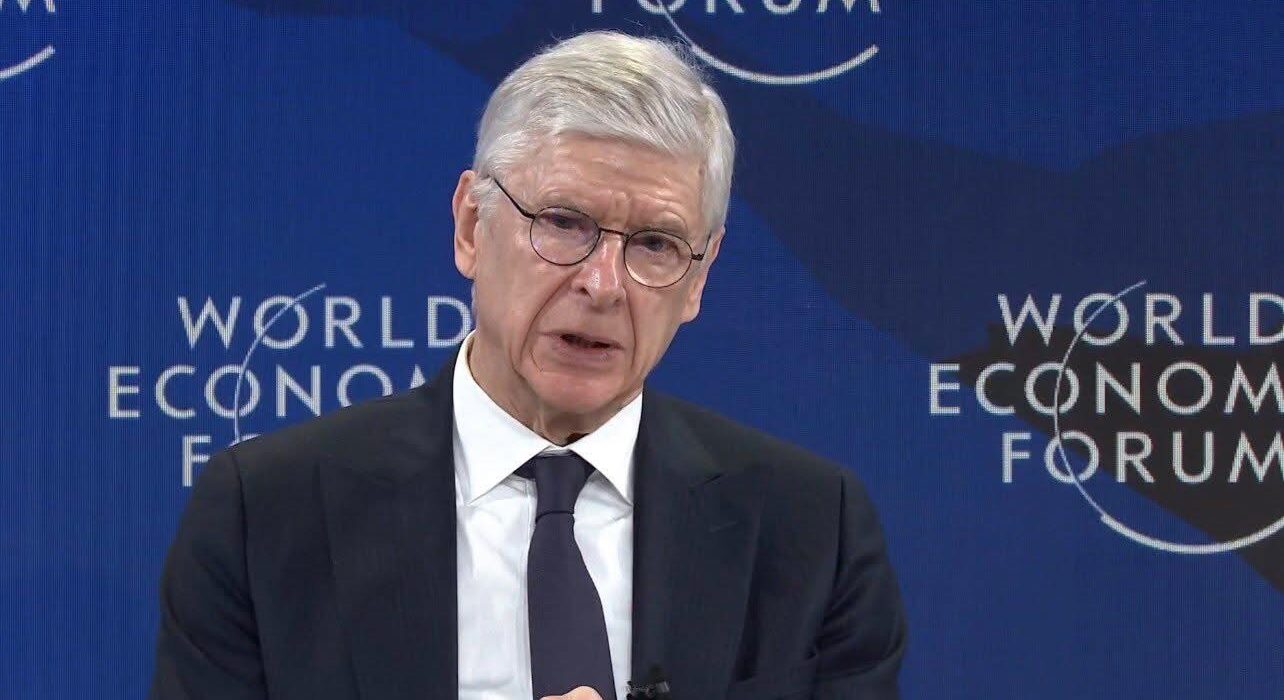
Arsène Wenger, former long-time Arsenal manager and current FIFA head of global development, has addressed rising calls from some fans and commentators to boycott the upcoming 2026 FIFA World Cup, which will be hosted by the United States, Canada, and Mexico.
Speaking at the World Economic Forum in Davos, Wenger acknowledged that debate around the tournament is intense but positioned football as a unifying force. He noted that criticism ahead of major international tournaments is not new, citing similar controversies that emerged around the 2018 World Cup in Russia and the 2022 edition in Qatar. He urged stakeholders to “rise above these matters” and stressed football’s role in bringing people together, even amid global tensions and political disagreements.
Wenger’s comments came during a broader discussion about the World Cup’s global significance and challenges facing the sport. He emphasized that despite geopolitical pressures, “football exists to bring people together” and expressed hope that all qualified nations would compete in harmony.
Backdrop: Ticket Price Backlash and Fan Discontent
A major source of controversy surrounding the 2026 tournament has been World Cup ticket pricing, which has drawn sharp criticism particularly in England and Germany. Critics argue that ticket costs are excessively high by historic standards — at times reaching prices that many supporters view as unaffordable — leading some fan organizations to describe the pricing structure as a “monumental betrayal” of the sport’s traditions.
In response to backlash, FIFA introduced measures including lower-price categories and a random selection drawing for fans, along with assurances of reinvesting revenues back into global football development. Still, many supporters say these changes don’t go far enough and continue to express frustration over dynamic pricing and travel costs associated with attending matches across three countries.
Wider Context
While some backlash has focused on pricing and logistics, others have raised political or ethical objections to the host nations or expressed broader dissatisfaction with FIFA governance. Wenger’s call for unity reflects FIFA leadership’s public strategy to emphasize the universal appeal and community value of the World Cup, even as debate continues among fans and commentators worldwide.