



In a landmark achievement that has captured the attention of the global football community, Curaçao, a small Caribbean island with a population under 150,000, has qualified for the 2026 FIFA World Cup. This milestone makes Curaçao the smallest nation by population ever to reach football’s premier tournament, underscoring a story of resilience, identity, and sporting ambition that transcends its size.


Curaçao secured its historic ticket to the World Cup after a hard-fought 0-0 draw against Jamaica in Kingston, topping Group B of the CONCACAF qualifiers. This result edged out a regionally dominant Jamaica, marking a breakthrough moment for Curaçao football. The team’s blend of local talent and Dutch-born players with Antillean roots, reflecting the island’s complex colonial history with the Netherlands, was expertly harnessed by coach Dick Advocaat, a seasoned tactician whose leadership has been pivotal.


Located in the southern Caribbean Sea, Curaçao is an autonomous country within the Kingdom of the Netherlands since 2010, following the dissolution of the Netherlands Antilles. Its capital, Willemstad, is renowned for its colorful Dutch colonial architecture and vibrant culture, facets that contribute to the island’s unique identity.
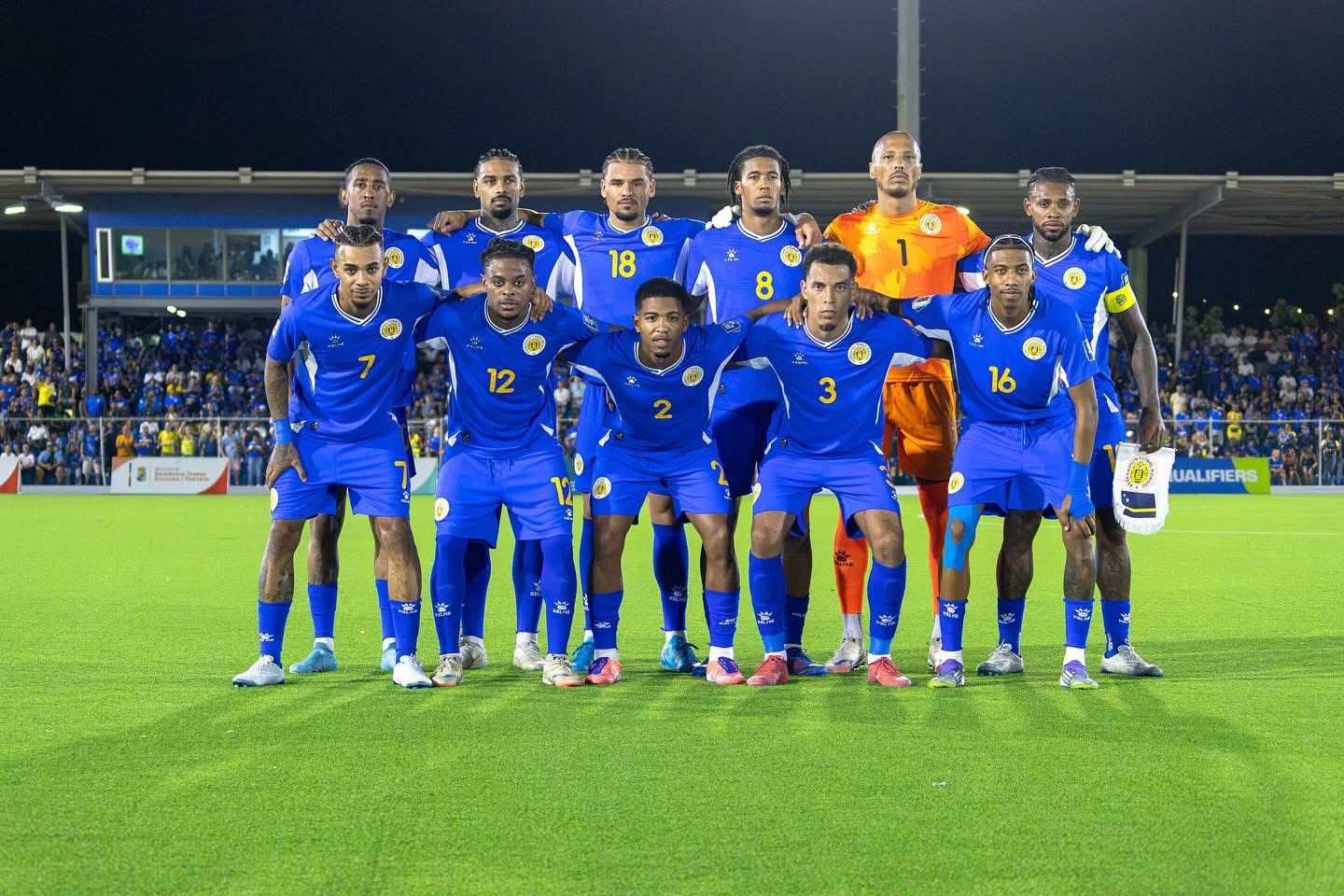

On the pitch, Curaçao’s football lineage dates back to 1921 with the founding of the Curaçaose Voetbal Bond. Despite decades of challenges typical of smaller nations, the team steadily matured, making marked progress in regional competitions such as the CONCACAF Gold Cup and Nations League, setting the stage for this historic ascent.
Dick Advocaat, acclaimed as “the Little General” for his tactical acumen and calm leadership, described Curaçao’s qualification as the “craziest thing” of his long coaching career. Having previously led eight national teams and achieved deep tournament runs with the Netherlands, Advocaat will become the oldest coach in World Cup history at the upcoming finals.
Speaking after the decisive match, Advocaat reflected: “This is so wonderful for the island and the players who came from far away. Moments like these are what football is all about.” The final moments were nerve-wracking, with a controversial penalty initially awarded against Curaçao overturned thanks to VAR intervention, underscoring the fine margins of their achievement.
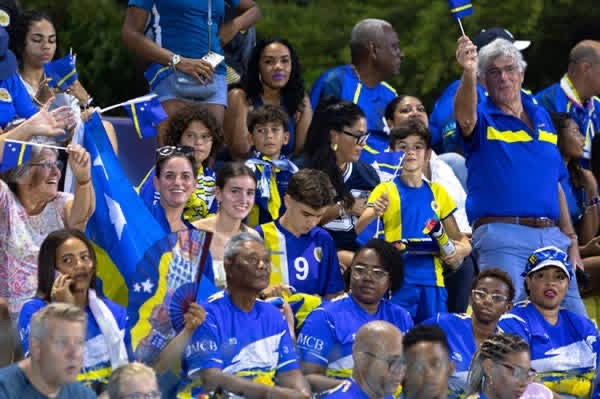

“Luckily, VAR intervened. That’s what it’s for, but you never know, right?” said Advocaat, referring to the video assistance.
The referee was encouraged by the VAR officials to check the incident on the small touchline screen and without hesitation reversed his own decision.
“You could still lose because of a moment like that. That’s why I say, it’s so close in football.”
Advocaat took charge of Curacao in January last year and encouraged many Dutch players with Antilles roots to join the team, meaning all the players for the Jamaica clash were Dutch-born.
Next summer’s World Cup final will be held at New Jersey’s MetLife Stadium, which seats 82,500, more than half Curaçao’s entire population. For this small but proud nation, stepping onto football’s biggest stage symbolizes the power of unity, ambition, and dreams realized against the odds.
Curaçao’s story resonates beyond sport: it is an inspiring narrative of how determination and strategic vision can elevate a tiny nation onto the global spotlight. As the world prepares to welcome this Caribbean underdog to the 2026 World Cup, Curaçao stands poised to inspire millions with its historic journey.