


By Yomi Kuku, Toronto, Canada
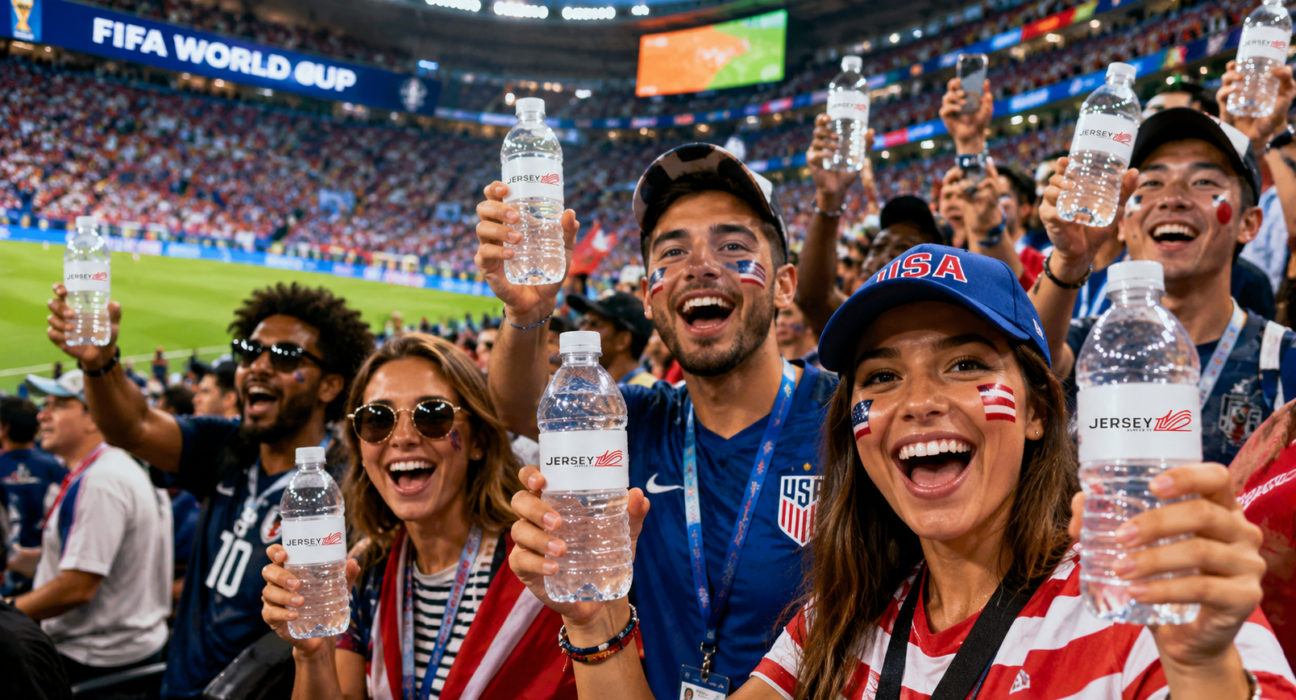
FIFA has eased its controversial stadium hydration policy for the 2026 FIFA World Cup, confirming that fans attending matches in the United States and Canada will be allowed to bring one factory-sealed disposable water bottle into stadiums following widespread criticism from supporters, public officials and fan groups.
The governing body announced on Friday that spectators may carry one soft-plastic, factory-sealed disposable water bottle of up to 20 ounces (590ml) into World Cup venues in the United States and Canada. The clarification was delivered by FIFA World Cup 2026 Chief Operating Officer Heimo Schirgi, who stressed that hard-sided reusable bottles and refillable containers will remain prohibited for safety and security reasons.
The decision represents a significant shift from FIFA’s revised Stadium Code of Conduct issued earlier this week, which had effectively banned reusable water bottles from venues. The policy change triggered an immediate backlash amid concerns about fan welfare during a tournament expected to be played in high summer temperatures across North America.
Fan organisations, health experts and political leaders questioned the move, arguing that restricting access to personal water containers could increase the risk of dehydration and heat-related illnesses during matches. Several World Cup venues are expected to experience temperatures exceeding 25°C, while some host cities could face significantly hotter conditions during the tournament.
Among the most vocal critics was Olivia Chow, who condemned the initial policy and urged FIFA to reconsider. Toronto officials had publicly engaged with FIFA over the issue as concerns mounted among supporters preparing to attend matches in Canada’s largest city.
Prior to FIFA’s latest clarification, Sharon Bollenbach, executive director of Toronto’s World Cup Secretariat, confirmed that local organisers had been in discussions with football’s governing body regarding access to drinking water for supporters. She also announced that Toronto’s FIFA Fan Festival would permit clear refillable plastic bottles and provide dedicated water-refill stations for attendees.
FIFA has maintained that safety remains the primary reason for restricting hard-sided reusable bottles. Tournament officials argue that such containers could pose risks if thrown inside stadiums, a concern that influenced the decision to prohibit reusable bottles while permitting sealed disposable alternatives.
In response to concerns about extreme weather, FIFA has also pledged to implement a range of heat-mitigation measures across host cities. These include hydration stations, cooling areas, misting zones and other fan-support initiatives designed to reduce the risk of heat-related incidents during the expanded 48-team tournament.
The 2026 FIFA World Cup, which will be jointly hosted by the United States, Canada and Mexico, is expected to attract millions of spectators and become the largest World Cup in history, featuring 48 national teams and 104 matches. FIFA’s latest policy adjustment is likely to be welcomed by supporters who had expressed concerns about access to drinking water during what is expected to be one of the hottest World Cups ever staged.