

By Rasheed Adewuyi, New York
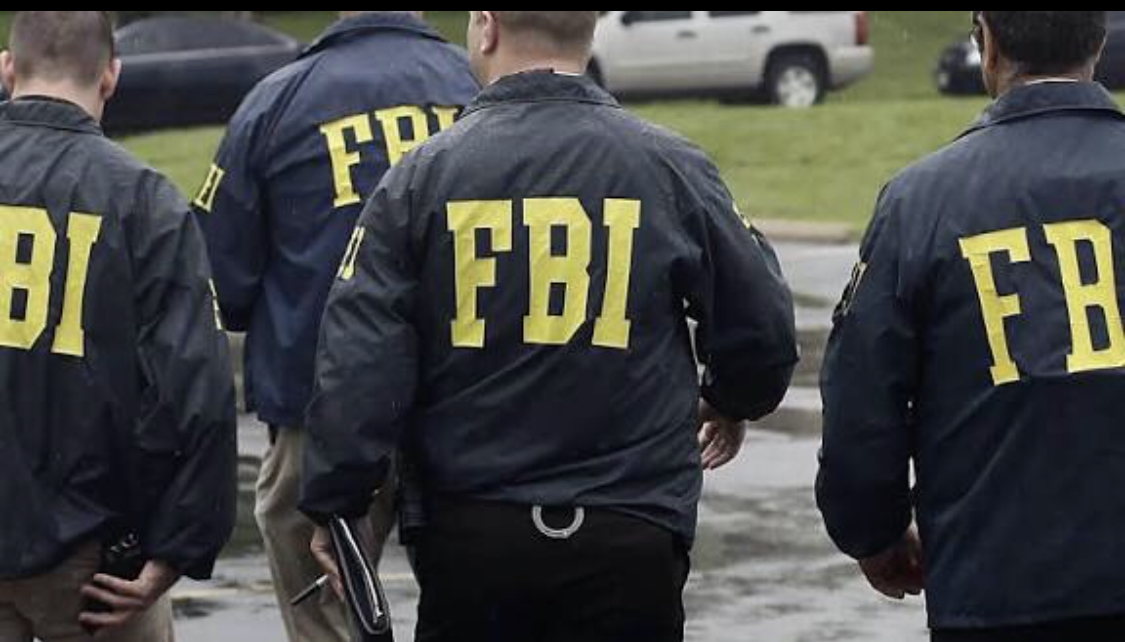
As the Africa Cup of Nations 2025 (AFCON) unfolds in Morocco, an official delegation from the United States Federal Bureau of Investigation (FBI) has been on the ground studying the country’s security frameworks, a move linked to preparations for the upcoming FIFA World Cup 2026™️ which the U.S., Mexico, and Canada will co‑host. [1]
From January 4 to 6, senior FBI officials, including Douglas Olson, Director of Operations for the Field Intervention Services Division, and Kevin Kowalski, Deputy Director of the Emergency Response Group, visited Morocco to observe and assess the security and public safety protocols implemented during AFCON 2025.
The delegation’s programme saw them tour major AFCON venues, including Prince Moulay Abdellah Stadium in Rabat during the host nation’s match against Tanzania, and Moulay Hassan Stadium ahead of the Algeria vs. DR Congo game, focusing on wide‑ranging crowd control and fan management procedures.
Their work involved examining enhanced surveillance systems, including the deployment of high‑definition cameras and drone monitoring, as well as coordination mechanisms between fixed and mobile command centres responsible for large‑scale event security. The delegation also observed the African Security Cooperation Center, a hub for multinational coordination among participating nations’ law enforcement teams.
According to Moroccan security sources, the visit was part of a strategic information‑gathering mission aimed at identifying best practices in securing major international sporting events while maintaining public order and fan safety. Morocco’s approach has been widely regarded as sophisticated, blending modern technology with extensive inter‑agency cooperation. [4]
Officials from both nations indicated the engagement underscores longstanding security cooperation and mutual learning as the United States gears up for the complexities of hosting a tournament expected to welcome millions of global fans. This exchange may influence planning for international security cooperation centres and operational protocols that will be deployed during the World Cup in mid‑2026.
Rather than operating as a law enforcement intervention, the FBI’s presence in Morocco has been framed by authorities as professional observation and partnership‑building, reflecting expanding transatlantic collaboration in event security ahead of one of the world’s largest sporting spectacles.
— **
Leave feedback about this