


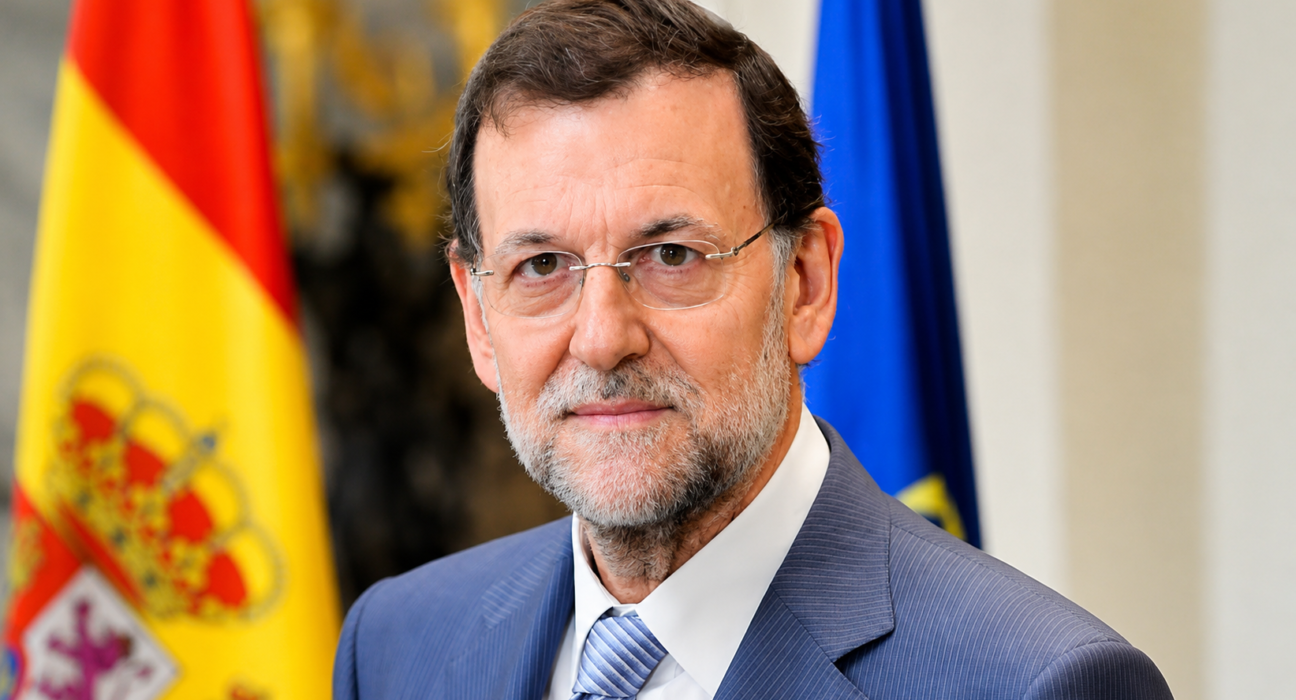
Spanish Prime Minister defends inclusive national identity ahead of World Cup semifinal, while French officials denounce Mariano Rajoy’s comments about Les Bleus as racist
A political controversy has overshadowed the build-up to the 2026 FIFA World Cup semifinal between Spain and France after former Spanish Prime Minister Mariano Rajoy sparked widespread outrage by suggesting that the French national team has “no French players,” prompting a forceful response from Spain’s current Prime Minister, Pedro Sánchez, who condemned what he described as xenophobic rhetoric.
Rajoy, who served as Spain’s Prime Minister from 2011 to 2018, made the remarks in a newspaper column published in El Debate while previewing Tuesday’s semifinal between the two European heavyweights. Although he praised Didier Deschamps’ side as “a very high-level team,” he added that it was “without French players”—a comment widely interpreted as referring to the ethnic diversity of France’s squad.
The remarks quickly drew condemnation across Spain and France, with critics accusing the former conservative leader of questioning the nationality of French players based on their family origins or skin colour rather than their citizenship.
Without mentioning Rajoy by name, Spanish Prime Minister Pedro Sánchez responded on his official X account with a message defending a broader and more inclusive definition of national identity.
“Some people still measure belonging by a surname, place of birth, or skin colour,” Sánchez wrote.
“Others measure it by their attachment to a country and their willingness to contribute to it—by playing football, caring for the elderly, or opening businesses.”
He added:
“Spain belongs to those who love it and help make it live. Not to those who dishonour it with xenophobic statements.”
Addressing France directly ahead of Tuesday’s semifinal, Sánchez concluded:
“France, see you in the semi-finals. May the best team win, and may racism lose.”
The exchange transformed what had been an eagerly anticipated football contest into a wider debate about race, immigration and national identity in modern Europe.
French officials reacted swiftly. French Foreign Minister Jean-Noël Barrot described Rajoy’s comments as either “stupidity or racism,” while Philippe Diallo, president of the French Football Federation, condemned the remarks as unacceptable and contrary to the values of French football.
France’s Interior Minister Laurent Nuñez also rejected Rajoy’s assertion, stressing that France is “a country of diversity, where everyone can find their place,” and warning that such rhetoric fuels racist abuse directed at national team players, particularly captain Kylian Mbappé.
The French Embassy in Madrid also issued a factual rebuttal, noting that every member of Didier Deschamps’ 26-man World Cup squad is legally French. Of those players, 23 were born in France, while the remaining three—Michael Olise, Marcus Thuram and Brice Samba—were born abroad but are French citizens and fully eligible to represent the country under FIFA regulations.
The controversy has revived a debate that has periodically surrounded French football since the country’s 1998 World Cup triumph, when the multicultural composition of Les Bleus became both a symbol of national unity and, for some political figures, a source of ideological division.
Rajoy’s comments also came just days after French captain Kylian Mbappé condemned separate racially charged remarks made by a Paraguayan politician during the World Cup, highlighting growing concern over discriminatory rhetoric directed at France’s diverse squad during the tournament.
As the political fallout continued, attention inevitably returned to the football itself.
France, the defending world champions, face Spain in one of the most anticipated semifinals of the tournament, with a place in the 2026 FIFA World Cup final at stake.
For many observers, however, Sánchez’s closing message may ultimately prove the defining one before kickoff:
“May the best team win—and may racism lose.”