


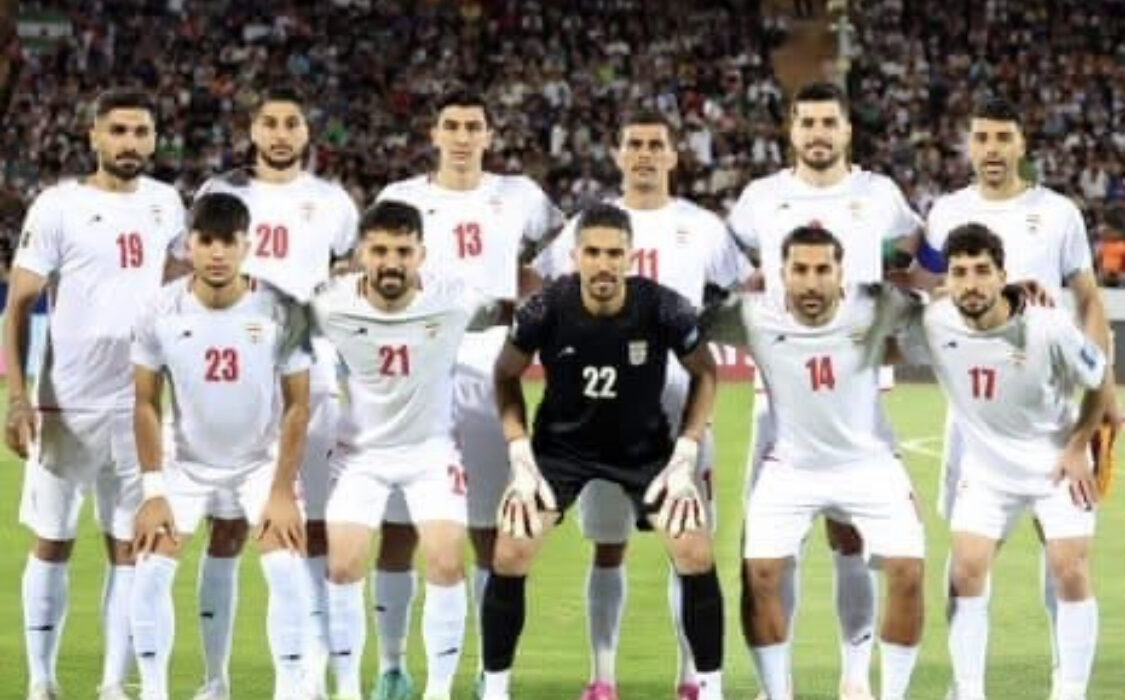
FIFA has officially confirmed that Iran will base its 2026 FIFA World Cup operations in Tijuana, Mexico, after approving a request from the Iranian Football Federation to relocate the team’s training camp from Tucson, Arizona, amid ongoing geopolitical tensions and visa concerns involving the United States.
Iran had originally selected a training complex in Tucson to serve as its World Cup headquarters during the tournament, which is being co-hosted by the United States, Canada and Mexico. However, following growing diplomatic tensions in the Middle East and uncertainty surrounding travel and security arrangements, Iranian football authorities formally requested a relocation.
The team will now operate from Centro Xoloitzcuintle in Tijuana, located near the U.S.-Mexico border, while still travelling into the United States for all of their Group G fixtures. Iran are scheduled to face New Zealand and Belgium in Los Angeles before concluding the group stage against Egypt in Seattle.
Mehdi Taj, president of the Iran Football Federation, said the change was approved after discussions with FIFA and World Cup officials in Istanbul and Tehran. Taj explained that the move would help simplify logistical and visa-related complications while allowing the squad to remain close to the U.S. border throughout the tournament.
Reuters and Associated Press also reported that Iranian officials had raised concerns over visa processing and broader security issues following heightened tensions between Iran, the United States and Israel earlier this year.
Despite speculation surrounding a possible relocation of Iran’s actual World Cup matches to Mexico, FIFA rejected any proposal to move fixtures away from the United States. The governing body has maintained that all scheduled venues will remain unchanged due to tournament logistics, ticketing commitments and operational planning.
Mexican President Claudia Sheinbaum publicly welcomed Iran’s decision to stay in Mexico during the tournament and suggested the arrangement would avoid complications connected to overnight stays in the United States. Multiple reports indicated U.S. authorities were unwilling to accommodate long-term stays for the Iranian delegation inside the country, though neither the U.S. State Department nor representatives linked to the Trump World Cup Task Force publicly commented on the matter.
Security around the Iranian team is expected to be extensive throughout the competition. Mexican federal authorities, local officials in Baja California and FIFA representatives are reportedly coordinating operations in Tijuana due to the political sensitivity surrounding Iran’s participation and the close proximity to the U.S. border.
Iran’s preparations for the tournament have already faced complications beyond logistics. The national team recently finalized its 26-man World Cup squad, with veteran striker Sardar Azmoun omitted amid reports of tensions involving federation officials and political controversies inside the country.
The situation has added another politically charged layer to a World Cup already expected to operate under unprecedented security conditions across North America.
Nevertheless, FIFA has reiterated that Iran will fully participate in the tournament, with the Asian giants now preparing to launch their World Cup campaign from Mexican soil while competing across U.S. host cities.