


Human rights activists and citizens in Kenya have launched a campaign urging Bayern Munich and Ajax Amsterdam to withdraw from their scheduled January 5, 2027, friendly in Nairobi, questioning the financial priorities behind the event and raising concerns about the country’s human rights record.
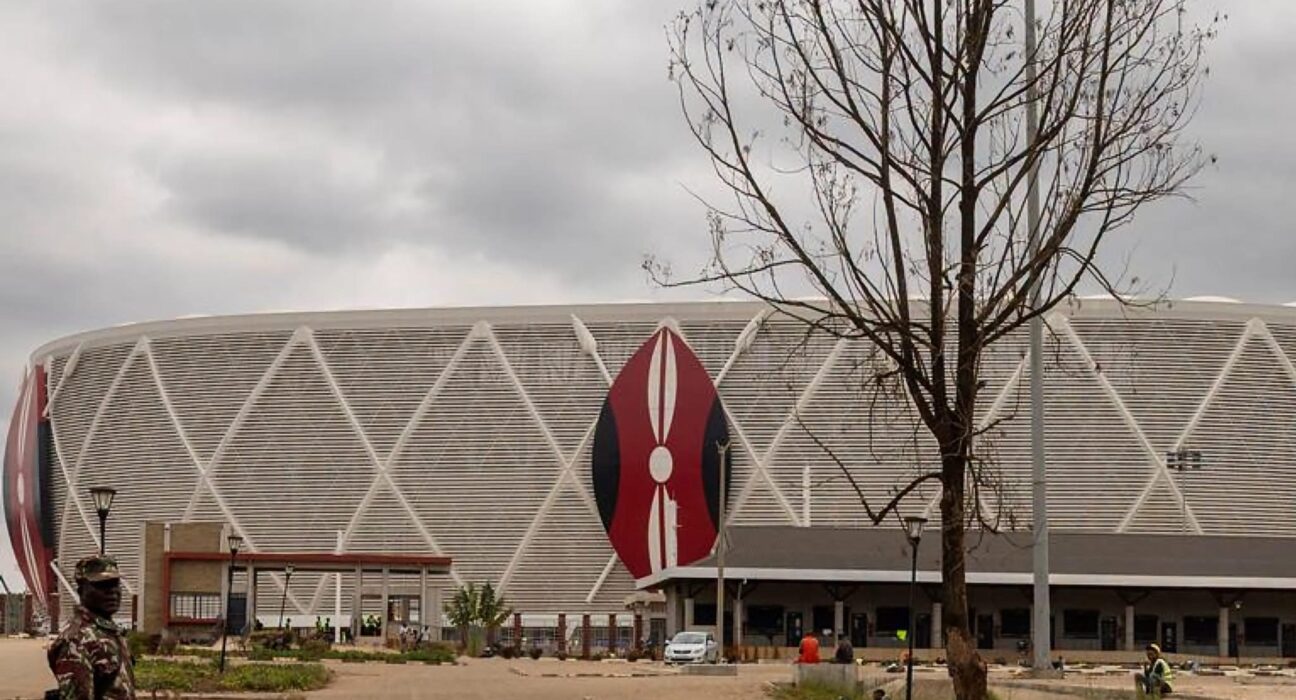
The proposed fixture, announced on October 28, will mark the opening of the 60,000-capacity Raila Odinga International Stadium at Talanta Sports City. It is also expected to form part of Kenya’s preparations for the 2027 Africa Cup of Nations, which the country will co-host with Tanzania and Uganda.
However, the announcement has triggered criticism from activists who argue that substantial resources should be directed towards pressing domestic needs, including healthcare, support for local football and the rising cost of living, rather than an expensive international exhibition match.
Human rights activist Mwabili Mwagodi has reportedly contacted both European clubs, urging them to reconsider their participation. Harrison Mumia, president of the Atheists in Kenya Society, has also written to Bayern, calling for the club to suspend its planned visit until concerns over alleged abductions and enforced disappearances receive meaningful attention.
Prominent activist Boniface Mwangi has separately criticised the decision to bring the European sides to Kenya, arguing that the money could be better invested in local footballers and grassroots development. He has proposed a tournament involving young players from all 47 counties as an alternative way to inaugurate the stadium.
The financial arrangements have become another major point of contention. Questions have been raised about the appearance fees, travel, accommodation, security and other logistical expenses associated with bringing the two clubs and their delegations to Nairobi.
Lawyer Ndegwa Njiru has publicly demanded clarification on who will bear the full cost of hosting the teams and how much the event could ultimately cost taxpayers.
Although reports have suggested that Bayern could receive an appearance fee of approximately €5 million, the complete financial structure of the event has not been publicly disclosed. Kenya’s The Standard reported that organisers had yet to provide a detailed breakdown of the match budget, sponsorship contributions, projected revenue or the extent of government expenditure.
President William Ruto’s administration has presented the fixture as an opportunity to showcase Kenya’s sporting infrastructure and attract international events. The government has also promoted a commercial funding model involving corporate partnerships, while Interior Cabinet Secretary Kipchumba Murkomen has pledged support with security, immigration and travel facilitation.
The controversy has also brought renewed attention to the cost of constructing the stadium. The government has defended a contract valued at approximately KSh45.85 billion following questions about the increase from an initial KSh35 billion figure, attributing the difference to taxes, levies and import-related charges. Activists, however, continue to demand greater transparency over public expenditure.
Beyond the financial questions, campaigners have raised concerns about governance, taxation, police conduct and alleged human rights violations. They argue that the international attention surrounding the match should not overshadow unresolved domestic issues.
The political dimension has also featured prominently in the criticism. With Kenya’s next general election scheduled for August 2027, some opponents of the event believe the government could use the high-profile fixture to strengthen its public image and generate political goodwill ahead of the polls. That interpretation remains an allegation by critics, rather than an established purpose of the event.
There is, however, support for the fixture among Kenyans who see it as an opportunity to attract international attention, promote tourism and demonstrate the country’s capacity to host major sporting events ahead of AFCON 2027.
Bayern and Ajax have confirmed the January 5 encounter, but the campaign has intensified questions about the event’s financing, public accountability and the wider responsibilities of international football clubs when participating in high-profile events amid domestic controversies.