

By Kazeem Ajibola Shoyebo
With a sudden and dramatic escalation of hostilities between Iran, the United States, and Israel, questions are surfacing about whether Iran national football team will still participate in the 2026 FIFA World Cup, all of whose Group G fixtures are scheduled to be played on U.S. soil.
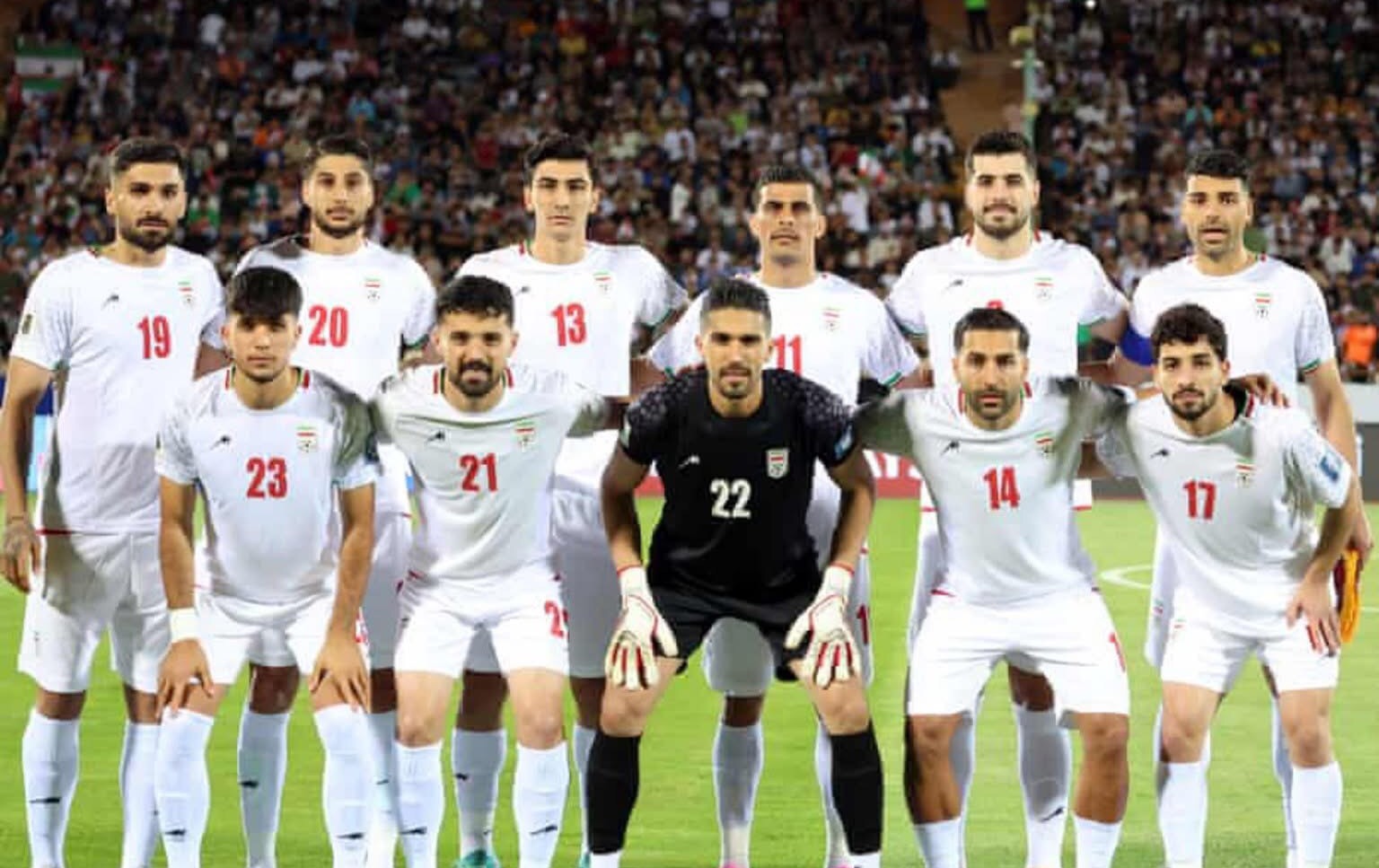
Iran, which qualified for the World Cup for the fourth consecutive time, is slated to face New Zealand on June 16 in Los Angeles, Belgium on June 21 in Los Angeles, and Egypt on June 27 in Seattle, all within the United States.
However, Iran is now embroiled in a rapidly unfolding military conflict after coordinated airstrikes by the United States and Israel targeted strategic locations inside Iranian territory. Iranian officials have responded with retaliatory missile and drone strikes against U.S. bases and Israeli locations across the Middle East, fueling fears of a broader regional war.
The Iranian Football Federation previously signalled political tensions with the United States by boycotting the 2026 World Cup finals draw in Washington in late 2025, citing U.S. visa restrictions on members of its delegation — a move rooted in long-standing diplomatic disputes.
Beyond visa issues, Iranian officials have warned that American hostility, rooted in decades of geopolitical rivalry, could impact their participation in the tournament. One senior figure went as far as suggesting the U.S. might refuse visas to team officials or attempt to relocate matches, fears that resonate now amid military confrontation.
Addressing the growing uncertainty, FIFA Secretary-General Mattias Grafström** offered a cautious public response when asked about Iran’s status following the recent escalation.
“I read the news this morning the same way you did. We had a meeting today and it is premature to comment in detail, but we will monitor developments around all issues around the world.”
“We had the finals draw in Washington in which all teams participated, and our focus is on a safe World Cup with all the teams participating.”
“We will continue to communicate as we always do with three host governments as we always do in any case. Everybody will be safe.”
Despite mounting tensions, Grafström’s remarks underscore FIFA’s priority on safety and inclusivity, but stop short of offering any firm guarantees regarding Iran’s participation
Iran’s participation in the upcoming global tournament, already clouded by visa disputes and political friction, now faces fresh uncertainty. With all of its matches scheduled on U.S. soil, the safety, diplomatic negotiations, and international pressure will shape whether Team Melli takes the field in June.
Leave feedback about this