


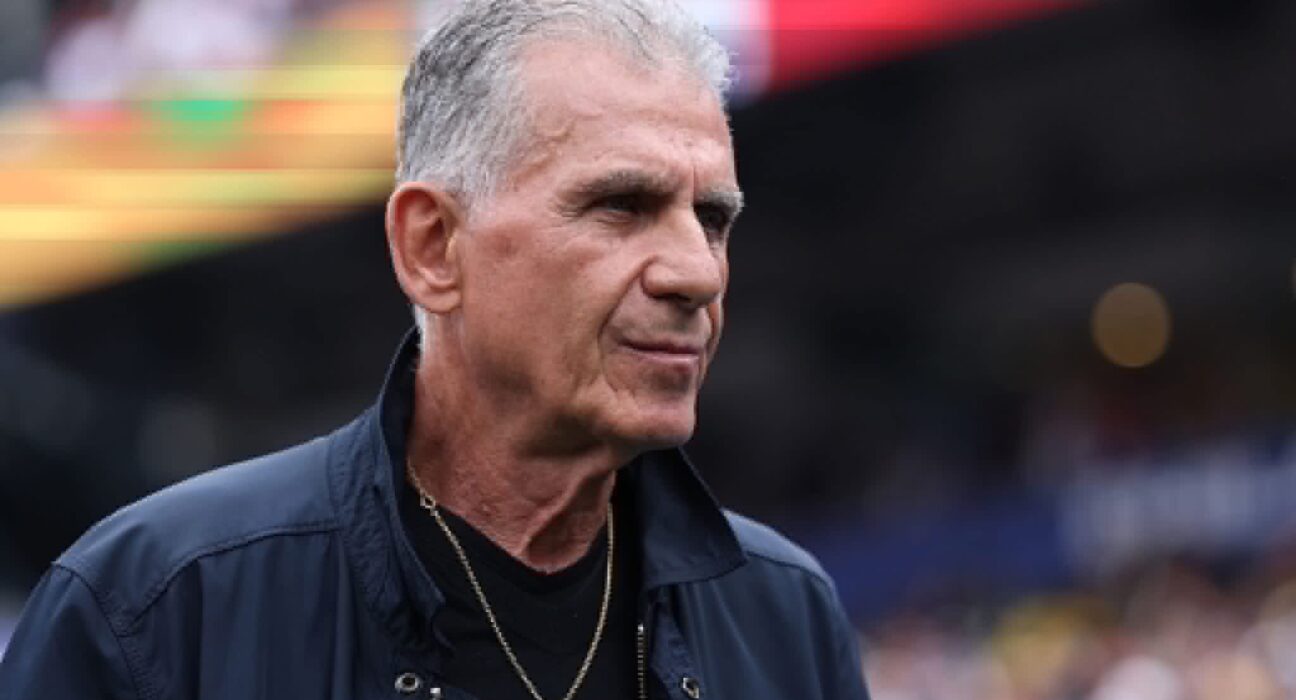
Ghana head coach Carlos Queiroz has delivered a stinging critique of the expanded 48-team FIFA World Cup, arguing that football’s biggest tournament is losing its exclusivity and competitive value—even as the Black Stars benefited from the new format to reach the knockout stage.
Speaking after Ghana’s 2-1 defeat to Croatia in their final Group L match, the veteran Portuguese coach questioned whether qualifying for the World Cup still carries the same prestige now that 48 nations compete and eight third-placed teams advance to the Round of 32.
“I believe that value comes when things are rare,” Queiroz said.
“Expanding the number of teams in this competition risks making it ordinary. When so many teams qualify, is it still something rare? That’s debatable, but that’s just my opinion.”
The 2026 tournament is the first in FIFA history to feature 48 teams, up from the 32-team format used between 1998 and 2022. The expansion also introduced a new Round of 32, with the top two teams from each of the 12 groups joined by the eight best third-placed nations. FIFA has argued that the changes broaden global participation and create more opportunities for emerging football nations, while generating additional commercial revenue through an expanded 104-match tournament.
Queiroz, however, believes the new structure has diminished the importance of the qualification process.
“In South America, the achievement now is not qualifying. In Europe, who didn’t qualify? The qualifiers lose their importance if almost everyone gets through. It should be something serious, difficult and highly competitive.”
His criticism extended beyond sporting concerns to football’s commercial direction.
“But today, money does the talking. What used to be football has become ‘moneyball.'”
The comments are particularly striking given that Ghana advanced to the knockout rounds as one of the tournament’s best third-placed teams—a pathway that did not exist under the previous 32-team format. Asked about that apparent contradiction, Queiroz acknowledged his team had benefited from the regulations while maintaining that the overall concept weakens the competition’s prestige.
Despite his reservations about the tournament’s structure, the former Portugal, Iran and Egypt coach insisted the competition changes dramatically once the knockout rounds begin.
“I just told my players that the real World Cup begins in the next round.”
“The group stage is only the warm-up, and qualification is like a credit card—now it’s time to start paying it back.”
His analogy reflected the unforgiving nature of knockout football, where every match becomes an elimination contest.
“Everything goes to the winner. Every game is drama. Nobody can hide. That starts in the next match.”
Queiroz’s remarks have added fresh fuel to one of football’s biggest debates. Critics of the expanded format argue that increasing the field dilutes the significance of qualification and reduces the jeopardy of the group stage. Supporters counter that the new system has already produced more global representation, historic first-time qualifiers and deeper runs for nations outside football’s traditional elite.