


By Kazeem Ajibola Shoyebo
Real Madrid’s season will be remembered not for silverware or dominance, but for a slow-burning internal crisis that spiralled from tension into turmoil, leaving a fractured dressing room, a questioned hierarchy, and a team that ultimately lost its grip on success.
At one stage, Madrid were firmly in control, topping La Liga and competing across multiple fronts. But behind the results, unease was already taking shape. Reports pointed to growing friction between key figures, with the integration of Kylian Mbappé into a star-studded squad unsettling the balance.
Under Xabi Alonso, the team initially showed tactical clarity and intensity. Yet as the season progressed, that structure gave way to inconsistency, and, more critically, a loss of control inside the dressing room.
Analyses of the campaign suggest Alonso struggled to manage competing egos and expectations, with internal politics and player power ultimately undermining his authority.
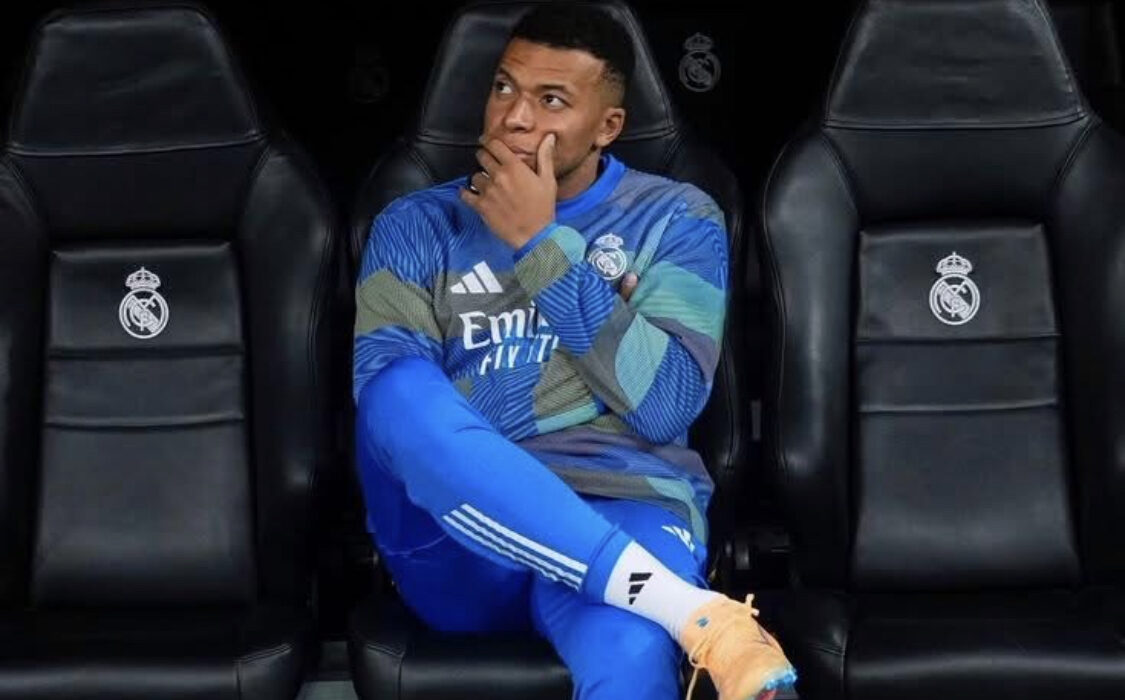
The focal point of the unrest became Mbappé. Multiple reports from French and Spanish outlets described a widening disconnect between the forward and his teammates.
Players were said to be frustrated by what they perceived as “special privileges,” including incidents involving lateness to team activities and perceived leniency from the club hierarchy.
The situation escalated further with reports that Mbappé had become increasingly isolated within the squad, maintaining close relationships primarily with fellow French players while distancing himself from the wider group.
His controversial trip to Italy during a crucial period of the season, while recovering from injury, only deepened internal dissatisfaction and public scrutiny.
Despite this, his entourage issued a firm response, insisting criticism of his commitment was based on “overinterpretation” and did not reflect his professionalism or dedication.
Compounding the tension were serious questions surrounding the club’s medical department.
Reports revealed alleged diagnostic errors in handling Mbappé’s injury—including claims that the wrong knee had initially been examined—sparking widespread debate and forcing internal changes within the medical structure.
The controversy did not stop there. A similar case reportedly involved Eduardo Camavinga, where tests were conducted on the wrong ankle, further eroding confidence in the club’s medical processes.
These incidents amplified tensions between players and the club, feeding a narrative of mismanagement at critical moments of the season.
Within the squad, a clear contrast in perception began to emerge.
Vinícius Júnior was widely viewed as committed and reliable, someone who consistently “showed up”, while Mbappé faced criticism for inconsistency and an individualistic approach.
This divide became symbolic of a broader issue: a team struggling to align individual brilliance with collective responsibility.
As tensions mounted, performances dipped.
Madrid’s title charge faltered at a decisive stage, allowing FC Barcelona to seize control of the La Liga race. Dropped points and lacklustre displays highlighted a team no longer functioning as a cohesive unit.
Criticism from within and outside the club intensified, with analysts questioning effort levels, tactical discipline, and leadership on the pitch.
Amid the turmoil, Álvaro Arbeloa stepped into a volatile environment, tasked with restoring order.
Instead, reports indicate he faced immediate resistance. His tenure has been overshadowed by ongoing dressing room tension, strained relationships with players, and a squad still grappling with internal divisions.
Rather than stabilising the situation, the sense of disconnect persisted, suggesting the issues ran deeper than managerial change.
From alleged dressing room fractures to medical controversies and questions over player commitment, Madrid’s season has been defined by instability.
Even when results briefly suggested control, the underlying issues never disappeared. They grew, quietly at first, then publicly, until the season itself began to unravel.
For a club built on excellence, this campaign has exposed a critical truth: assembling superstars is not enough.
Real Madrid’s struggles have not been about lack of quality, but lack of cohesion, discipline, and shared purpose.
Until those foundations are restored, the club risks remaining a collection of elite individuals rather than a dominant team.
Because this season told a different story—
At Real Madrid, when egos rise unchecked, even greatness becomes ungovernable.