


By Rasheed Adewuyi, New York
DR Congo’s 1–0 extra-time victory over Jamaica in Tuesday’s FIFA World Cup intercontinental playoff final wasn’t just a result—it was a statement. In a match where the stakes were monumental, one moment of precision, one flash of composure, defined the future of Congolese football and reminded the world that African nations are no longer just participants—they are contenders.
From the first whistle at Estadio Akron in Guadalajara, tension dominated. Both sides approached cautiously, wary of mistakes that could end their dreams in an instant. Jamaica, lively on the flanks through Leon Bailey, threatened to inject pace and creativity, while DR Congo relied on swift, calculated transitions spearheaded by Yoane Wissa. Yet for all the flashes of potential, the first half ended as a stalemate—a quiet warning that only extraordinary effort would break the deadlock.
The second half saw Jamaica pressing with increasing urgency. Their midfield sought to impose control, and the Reggae Boyz pushed numbers forward. But DR Congo’s defense, marshaled by Chancel Mbemba, displayed the kind of discipline that transforms hope into opportunity. Up front, Cédric Bakambu reminded everyone that danger lurked in set-piece situations. The tension was palpable, the stakes a constant shadow over every touch.
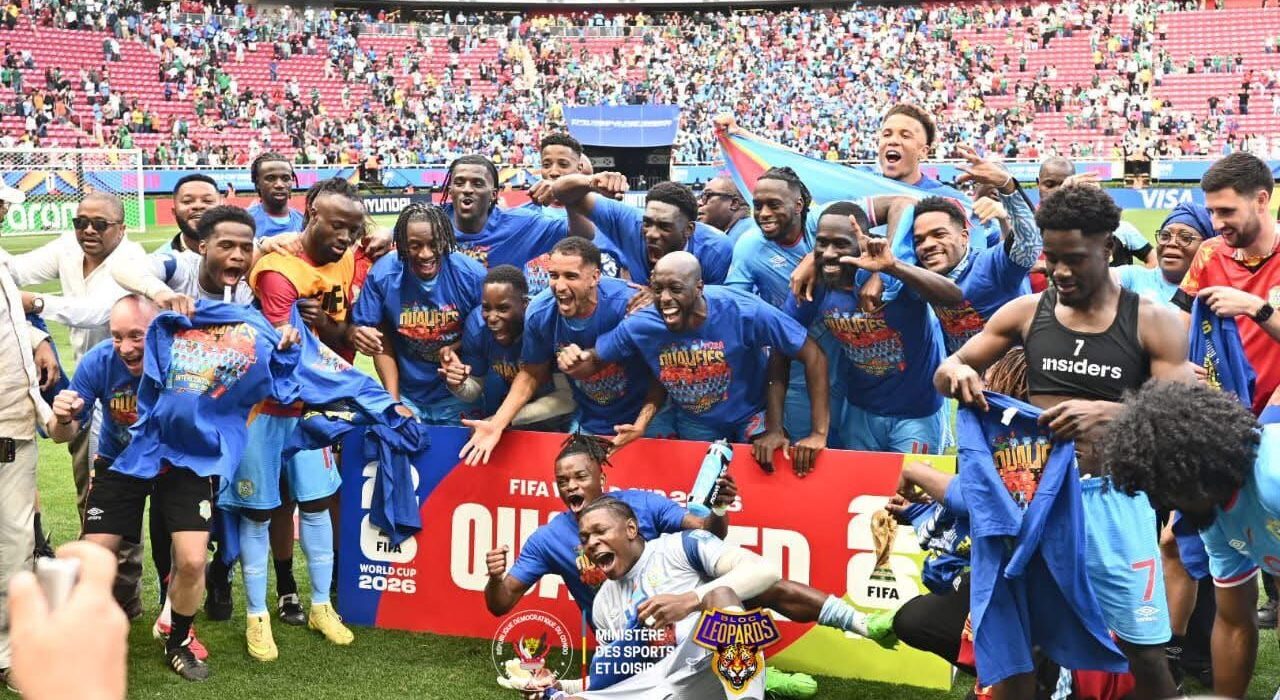
It took until the 100th minute of extra time for the narrative to shift. A corner for DR Congo sparked chaos in the box, and Axel Tuanzebe, ever alert, reacted fastest to bundle the ball into the net. In that instant, decades of absence, frustration, and anticipation crystallized into jubilation. The Congolese players erupted—not just celebrating a goal, but embracing a historic moment that signals their return to the world stage.
Jamaica responded valiantly, throwing bodies forward in search of a late equalizer. Yet the resilience, composure, and tactical intelligence of DR Congo proved unshakable. Every attempt was met with confident goalkeeping and disciplined defending. As the final whistle blew, it wasn’t merely a win—it was the confirmation of a renaissance.
This victory is more than just a scoreline. DR Congo, who last competed in the World Cup in 1974 under the name Zaire, have ended a half-century absence and reclaimed a place in football history. They have bridged generations, honoring pioneers while signaling the emergence of a new African powerhouse ready to challenge established nations.
For Jamaica, pride remains in the spirit and courage displayed throughout the campaign. But in moments like these, history waits for no one. DR Congo now carry not only the hopes of their nation but the weight of African ambition on the world’s biggest stage. Axel Tuanzebe’s decisive touch was a reminder that in football, as in life, resilience and timing define destiny.
This is more than qualification—it’s a statement: DR Congo are back, and Africa’s voice in world football grows louder with every passing tournament.