


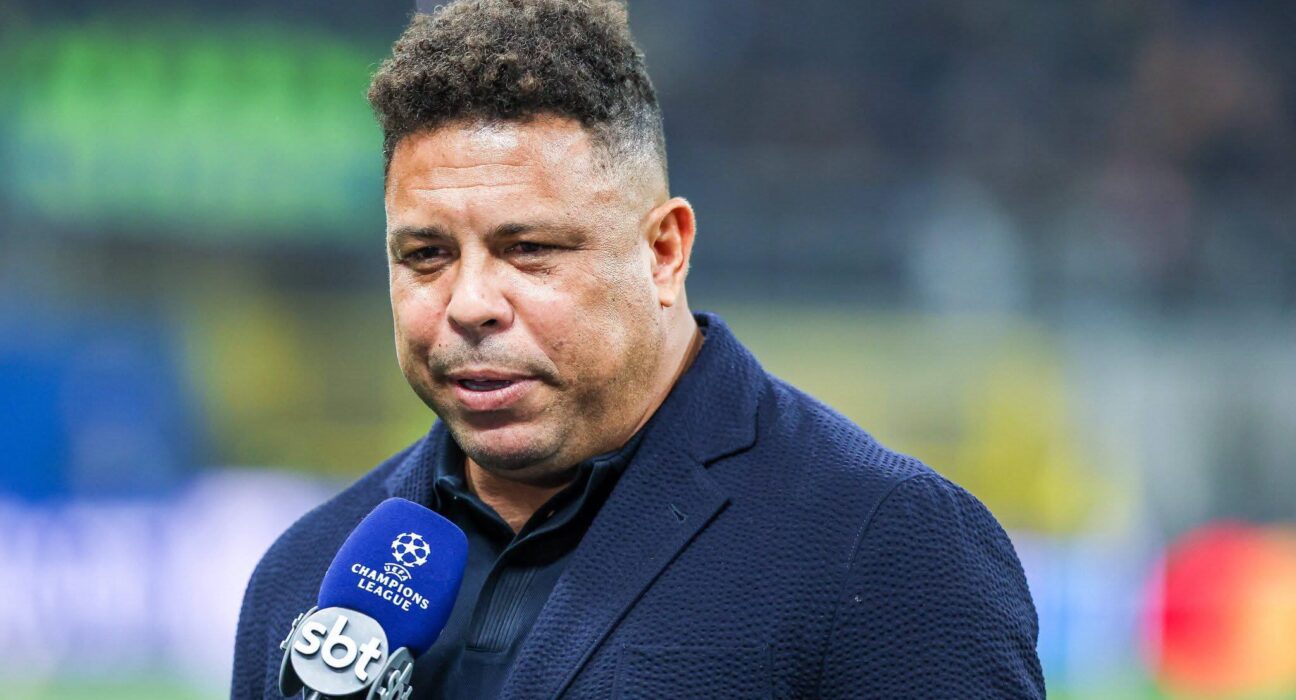
Few voices carry more weight when discussing World Cup goalscoring greatness than Ronaldo Nazário. For years, the Brazilian icon stood as the benchmark for elite finishing on football’s biggest stage. Now, after Lionel Messi’s record-breaking exploits at the 2026 FIFA World Cup, even “O Fenômeno” believes the Argentine has earned a place above every striker who came before him.
Following Messi’s two-goal performance in Argentina’s 2-0 victory over Austria, which secured qualification for the knockout rounds and extended his lead as the tournament’s all-time leading scorer, Ronaldo offered a heartfelt tribute.
“For the football gods, this is a stat that proves he has surpassed everyone else. If anyone deserves the title of the greatest goalscorer in World Cup history, it is definitely Messi.”
The comments carry particular significance because Ronaldo himself was long regarded as the gold standard of World Cup forwards. The Brazilian scored 15 goals across four World Cups, won two titles, claimed the Golden Boot in 2002, and produced some of the most iconic moments in tournament history. For years, his record appeared untouchable.
Yet Messi’s longevity and consistency have rewritten the history books.
The Argentine captain has now scored in six different World Cups and continues to add to a record that spans two decades. His brace against Austria not only secured Argentina’s place in the Round of 32 but also reinforced his remarkable influence at an age when most footballers have long retired.
Ronaldo could only marvel at that reality. “He is 38 years old, my God! At 38, I had already been retired for four years and weighed 120 kilos.”
The self-deprecating joke drew laughter, but it also highlighted the extraordinary nature of Messi’s achievement. While many legendary players had already stepped away from elite football by their late thirties, Messi remains the focal point of the reigning world champions and arguably the most decisive player at the tournament.
His five goals through Argentina’s first two matches have placed him at the top of the Golden Boot race. Even more remarkably, he has scored every one of Argentina’s goals at the World Cup so far, carrying the attacking burden for a team seeking to defend its global crown.
For Ronaldo, however, the statistics tell only part of the story.
Messi’s World Cup career has evolved from that of a gifted youngster in Germany 2006 to a tournament-defining figure twenty years later in North America. Along the way, he lifted the trophy in Qatar, became the first player to appear in six men’s World Cups, accumulated a record number of Man of the Match awards, and now stands alone atop the competition’s scoring charts.
What makes the tribute especially powerful is the mutual respect between two generations of football immortals. Ronaldo Nazário represented the standard for World Cup excellence for much of the modern era. Now, watching Messi continue to break records at 38 years old, the Brazilian sees something unprecedented.
The debate over football’s greatest player may never end, but on the specific question of World Cup goalscoring greatness, Ronaldo’s verdict was clear:
“If anyone deserves the title of the greatest goalscorer in World Cup history, it is definitely Messi.”
Coming from one of the greatest strikers the game has ever known, there may be no higher praise.