


By Yomi Kuku, Toronto Canada
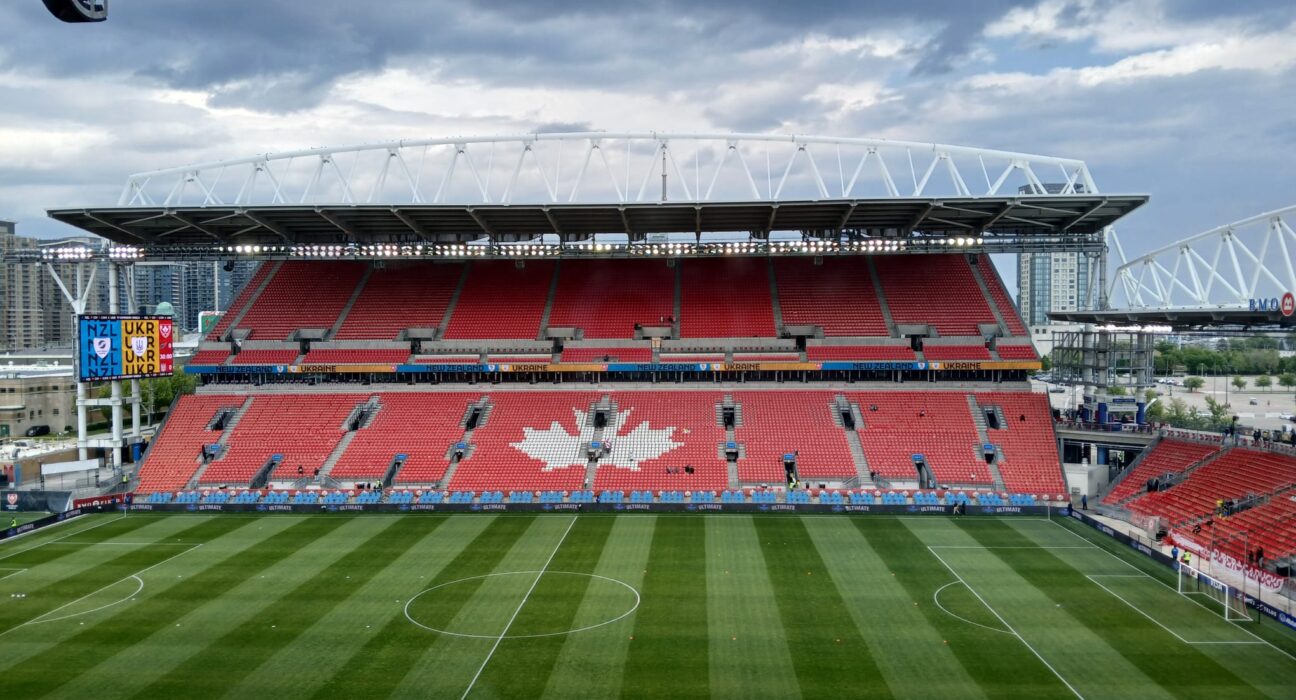
As Toronto prepares to host six matches of the 2026 FIFA World Cup at BMO Field, city officials are grappling with the anticipated surge in traffic congestion. A recent communication from the City Manager to Councillor Josh Matlow, included in this week’s council agenda, outlines the expected impact on the city’s already strained transportation infrastructure.
Transportation modeling indicates that traffic volumes on key downtown corridors could increase by approximately 10 to 15 percent during the tournament period in June and July 2026. The most significant congestion is projected for the sixth match, a Round of 32 knockout game, which is expected to draw the largest crowds.

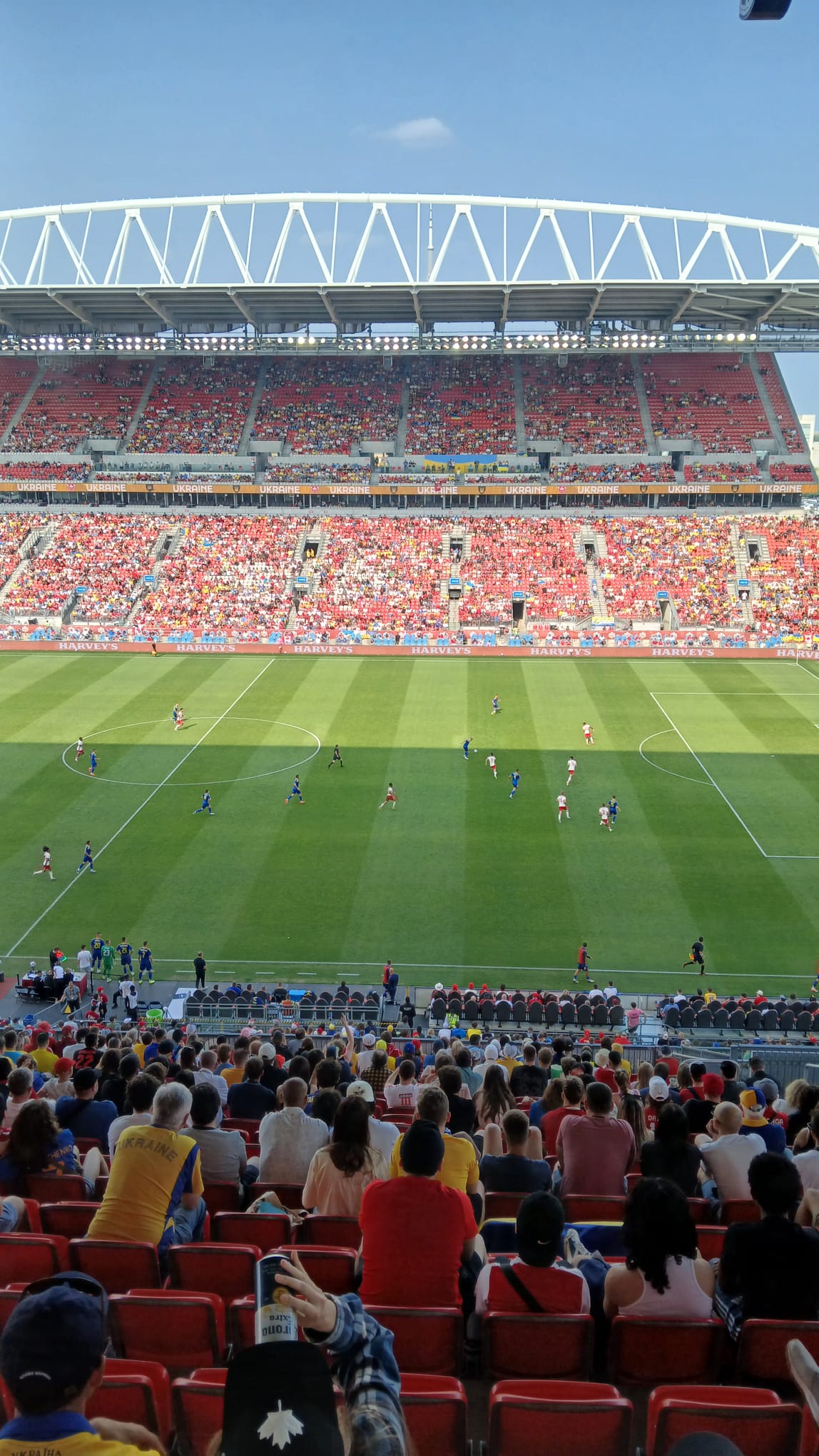
To mitigate these challenges, the city is considering several measures, including limiting downtown parking, closing certain highway on/off ramps, and suspending major construction projects that could exacerbate traffic issues. Designated travel routes to and from the games are also being planned, with potential modifications to traffic signals to prioritize event-related movement.
The City Manager’s office, in collaboration with the FIFA World Cup 26 Toronto Secretariat and the Transportation Services Division, is developing a comprehensive Mobility Plan. This plan aims to ensure the safe and efficient movement of fans, spectators, teams, and residents throughout the city during the tournament. The finalized plan is due for FIFA’s review in March 2026.
While specific construction projects that may be paused have not been identified, the city’s approach underscores the complexity of balancing large-scale event hosting with the daily needs of Toronto’s residents and commuters. Further details and decisions are expected as the Mobility Plan progresses toward its completion.