


By Kazeem Ajibola Shoyebo
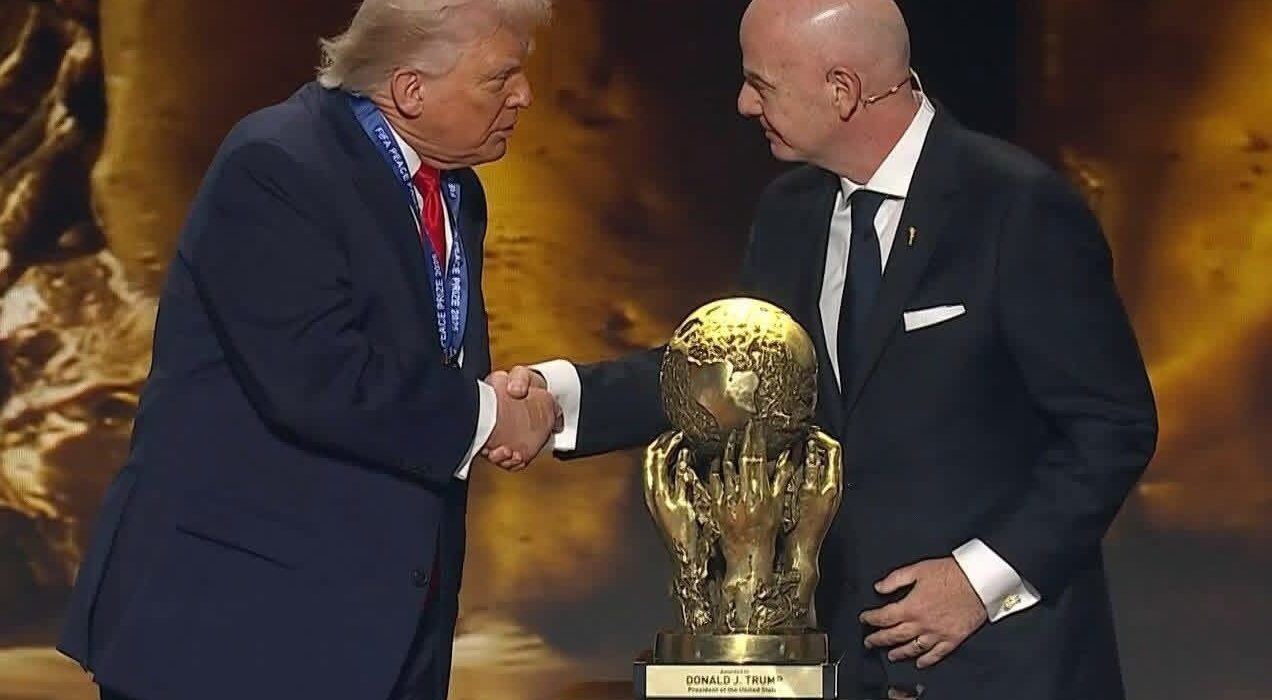
A controversial proposal to reshape the lineup for the 2026 FIFA World Cup has emerged from within the orbit of Donald Trump, drawing sharp global attention and raising questions about the intersection of sport and geopolitics.
According to multiple verified reports, Paolo Zampolli, a special envoy aligned with Trump, has urged FIFA to replace Iran with Italy in the upcoming 2026 World Cup, which will be co-hosted by the United States, Canada, and Mexico.
Zampolli confirmed that he had presented the idea directly to both Trump and FIFA president Gianni Infantino, arguing that Italy’s historical pedigree, four World Cup titles, justifies inclusion despite failing to qualify through the standard process.
Beyond sporting arguments, the proposal appears rooted in ongoing diplomatic tensions. Reports indicate the move is partly aimed at repairing strained relations between Trump and Giorgia Meloni following disagreements tied to the Iran conflict and criticism involving Pope Leo XIV.
Analysts view the suggestion as an unusual blend of football politics and international diplomacy—potentially using the world’s biggest sporting event as leverage in broader geopolitical negotiations.
Despite the push, the likelihood of such a swap remains extremely low. Iran has already qualified for the tournament on merit, and both Iranian officials and FIFA have reaffirmed their intention to participate.
Italy, by contrast, failed to qualify after a playoff defeat, marking another absence from the global tournament.
Under FIFA regulations, replacements are typically considered only in cases of withdrawal or disqualification, and there has been no official indication that Iran will be removed.
The proposal has sparked debate over whether political influence should have any role in determining participation in global sporting competitions. Critics argue that allowing such a move would undermine the integrity of qualification systems, while supporters frame it as a pragmatic response to security and diplomatic concerns.
For now, FIFA has not issued any formal response, and Iran remains on course to compete in the 2026 World Cup—leaving Zampolli’s proposal as a striking, if unlikely, flashpoint in the growing overlap between sport and global politics.