



From Vancouver to FIFA Leadership: Victor Montagliani’s Growing Influence on World Football
Concacaf President and FIFA Vice-President Victor Montagliani has added another significant milestone to his football administration career following the extension of the strategic partnership between Concacaf and the South American Football Confederation (CONMEBOL) to jointly organise the 2028 Copa América in the United States.
The agreement, announced on November 24, 2026, will see the United States host the 49th edition of the South American championship from June 9 to July 9, 2028, with 16 national teams participating.
The tournament will feature all 10 CONMEBOL member associations and six representatives from Concacaf, with the latter’s qualification determined through sporting merit at the 2027 Concacaf Gold Cup, scheduled for June 17 to July 11.
The announcement represents a continuation of the partnership established by the two confederations in 2023, which facilitated the participation of six Concacaf national teams in the 2024 Copa América, also hosted by the United States.
Reacting to the agreement, Montagliani described the partnership as an important opportunity to expand international competition for Concacaf member associations while strengthening the significance of the region’s flagship national-team competition.
“Our strategic partnership with CONMEBOL reflects our Confederation’s commitment to the growth of football, and the creation of more opportunities for our Member Associations and their national teams. After our collaboration in 2024, we are pleased to join forces again to bring the CONMEBOL Copa América to our region in 2028.
“This agreement will bring six Concacaf national teams a new opportunity to compete against some of the best in the world, while further reinforcing the competitive significance of our Concacaf Gold Cup. We look forward to working alongside CONMEBOL, the host venues, and other key parties to organize a first-class tournament that reflects the passion, quality and potential of football across the continent.”
Beyond the latest announcement, the agreement reflects the growing influence of Montagliani within international football administration and his continued efforts to expand competitive opportunities across the Concacaf region.
From grassroots football to international leadership
Born and raised in East Vancouver, Canada, Montagliani developed his passion for football through community competitions, playing youth football for Grandview Legion before progressing to senior football with Columbus FC.
He also represented Canada internationally in futsal before an injury ended his playing career at the age of 28. Rather than leave the sport, he redirected his attention towards football administration and development while building a professional career in the insurance industry.
His administrative journey included leadership positions within British Columbia Soccer and Canada Soccer, where he served as a director and vice-president before becoming the organisation’s president in 2012.
His rise through Canadian football administration eventually opened the door to one of the most influential positions in regional football governance.
Concacaf presidency and the One Concacaf vision
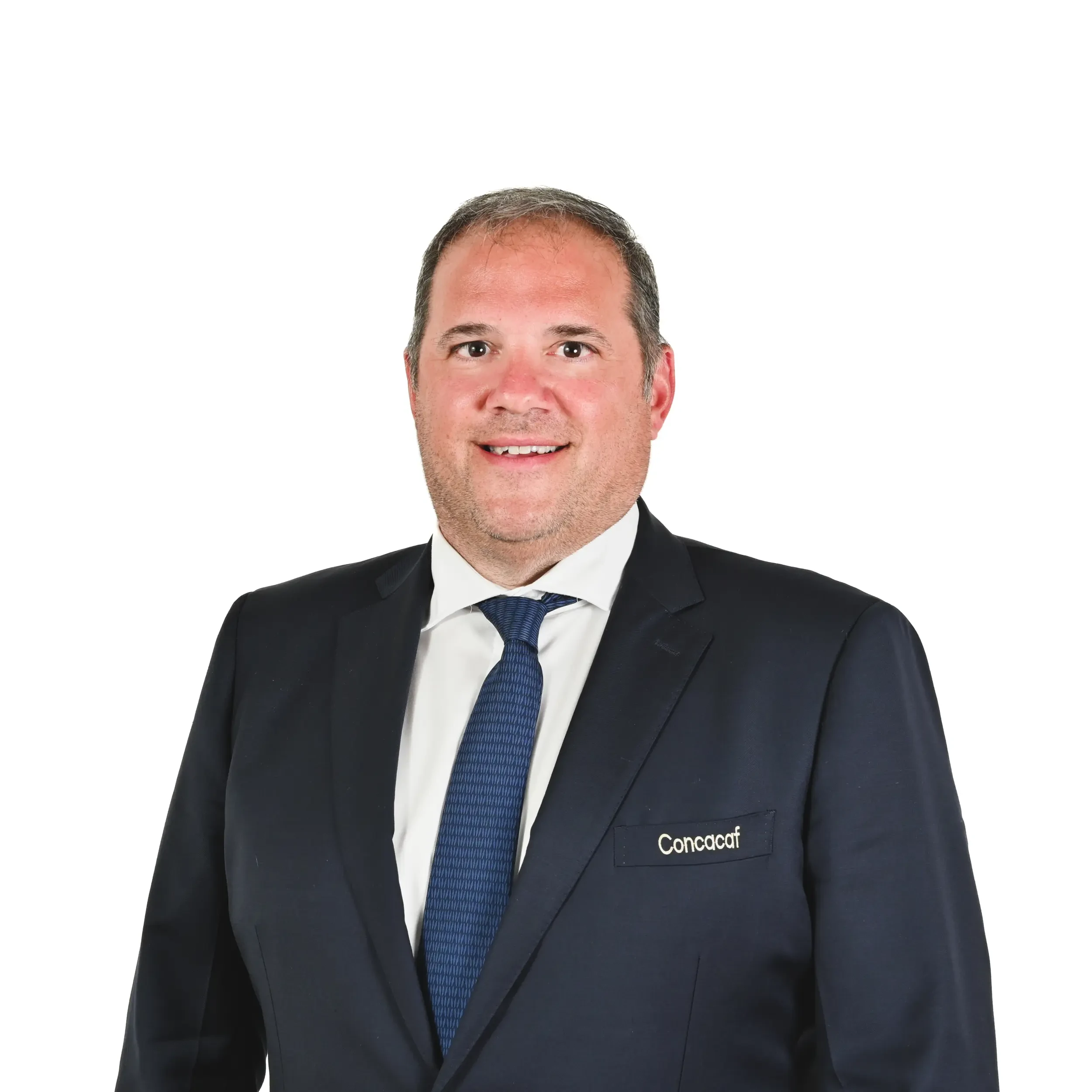

On May 12, 2016, Montagliani was elected President of Concacaf at the confederation’s 31st Ordinary Congress in Mexico City. His election also placed him in the FIFA leadership structure as a vice-president.
His administration introduced the One Concacaf vision, built around stronger governance, strategic planning, competition development, infrastructure investment and greater opportunities for the confederation’s 41 member associations.
One of the most significant developments under his leadership was the introduction of the Concacaf Nations League in 2019.
The competition provided national teams across North America, Central America and the Caribbean with a more structured international calendar and regular competitive opportunities, particularly for associations that previously struggled to secure matches against stronger opposition.
The same year, Concacaf introduced its W strategy, a long-term framework aimed at developing women’s and girls’ football across its member associations.
These initiatives became important elements of Montagliani’s administration, reflecting an approach that extended beyond the traditional focus on major men’s competitions.
In February 2023, Concacaf member associations unanimously re-elected him for another four-year term, covering 2023 to 2027.
Canada’s World Cup journey and the 2026 milestone
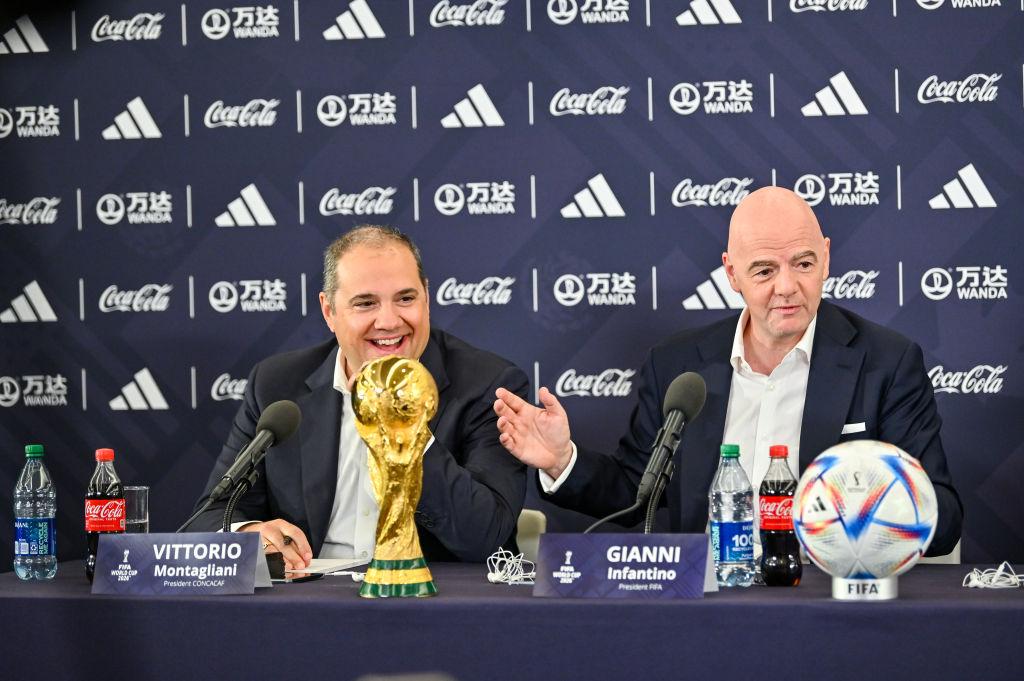

One of Montagliani’s most significant contributions to international football has been his involvement in bringing the FIFA World Cup to North America.
On June 13, 2018, FIFA selected the joint bid submitted by Canada, Mexico and the United States to host the 2026 FIFA World Cup, defeating Morocco in the voting process.
Montagliani played an important role in the successful bid and subsequently chaired the FIFA World Cup 2026 process, including leading the assessment of proposed host cities and venues across the three countries.i
The tournament marked a historic development in football as the first men’s FIFA World Cup jointly hosted by three nations and the first edition to feature 48 teams.
Canada also hosted men’s World Cup matches for the first time, with Toronto and Vancouver selected among the 16 host cities.
His involvement in the hosting process placed him at the centre of one of the biggest international football projects in recent history.
Contributions to Canadian football
Before becoming Concacaf president, Montagliani served as President of Canada Soccer from 2012 to 2017.
During his tenure, he chaired the National Organising Committee for the 2014 FIFA U-20 Women’s World Cup and the 2015 FIFA Women’s World Cup, both hosted in Canada.
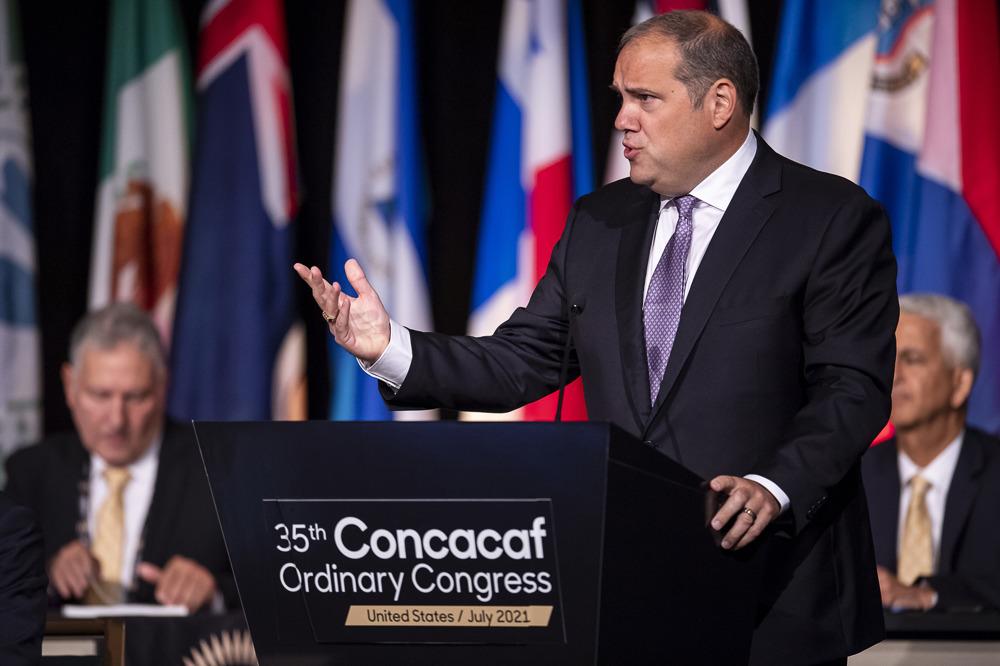

He also played an important role in establishing the strategic framework that led to the creation of the Canadian Premier League.
Although the league officially began its inaugural season in April 2019, after his departure from Canada Soccer, the groundwork for its establishment was developed during his presidency.
The Canadian Premier League subsequently provided a domestic professional platform for clubs and players, supporting the country’s ambitions to strengthen its football structure.
Recognition for his contribution to football
Montagliani’s influence has also attracted recognition beyond football’s governing institutions.
In August 2026, the Government of British Columbia announced his appointment to the Order of British Columbia, the province’s highest honour.
The recognition acknowledged his contributions to football in British Columbia, across Canada and internationally.
Earlier, in 2025, his hometown of Vancouver proclaimed September 12 as Victor Montagliani Day in recognition of his lifelong involvement in football and his leadership within the sport.
These honours reflect a career that began in community football and progressed through provincial and national administration to the highest levels of international football governance.
A growing international football legacy
As Concacaf president and FIFA vice-president, Montagliani continues to occupy an influential position in shaping the direction of international football.
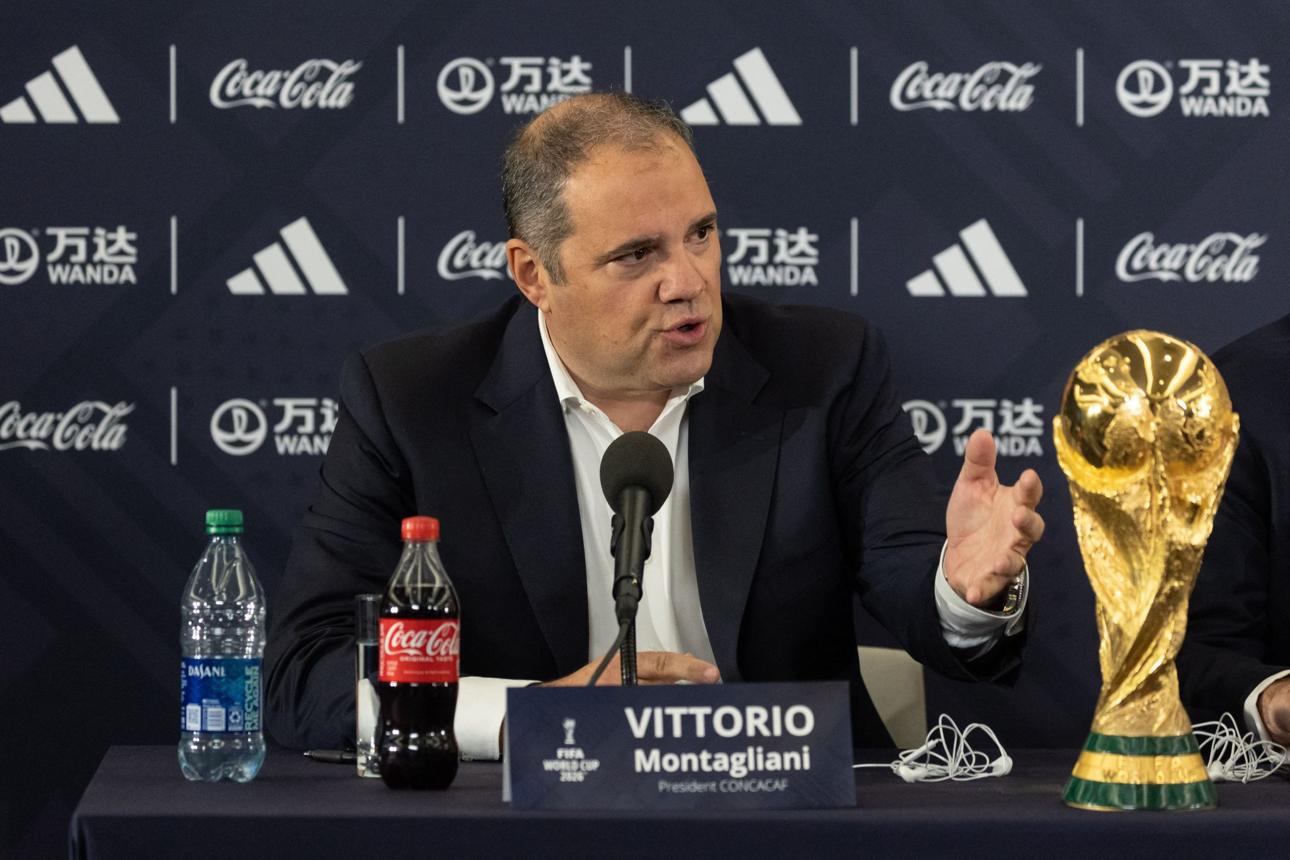

His administration has been associated with competition reforms, the development of women’s football, stronger relationships between confederations and the expansion of opportunities for national associations.
The extension of the CONMEBOL partnership for the 2028 Copa América adds another important dimension to that work.
For Concacaf, the agreement provides six national teams with another opportunity to compete against South America’s established football nations while strengthening the competitive importance of the Gold Cup.
For Montagliani, it further demonstrates the value of international collaboration in expanding the game and creating opportunities beyond traditional regional competitions.
From his beginnings in East Vancouver to the FIFA leadership structure, his journey represents a significant progression in football administration, with his influence now extending across national, regional and global football.