

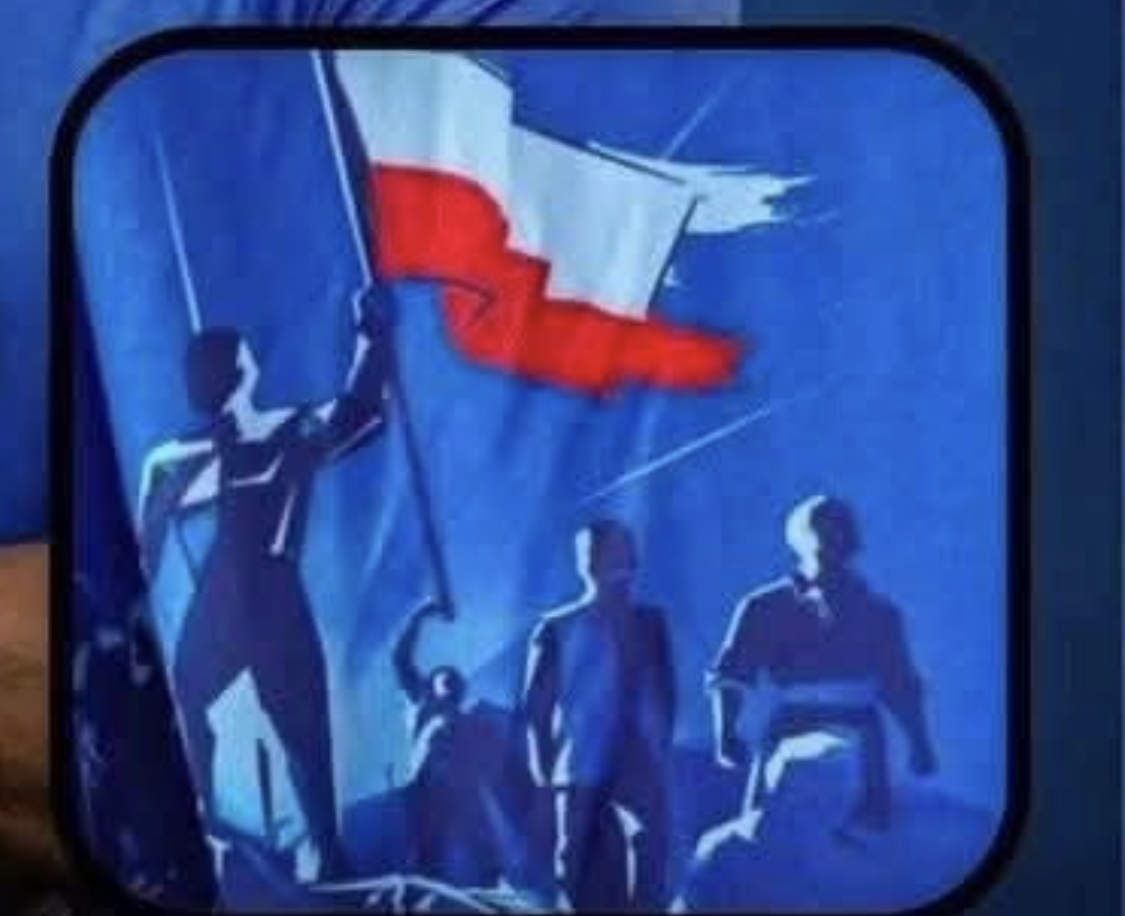
Just days before Haiti’s return to the FIFA World Cup, the nation has found itself at the center of a controversy after FIFA requested changes to its official team jersey, arguing that elements of the design could be interpreted as a political message. The decision has sparked debate because the imagery in question commemorates a defining moment in Haitian history: the Battle of Vertières, the final major battle that paved the way for Haiti’s independence from France.
The issue was first confirmed by Saeta, the Colombian sportswear company responsible for Haiti’s World Cup kit. In an official statement, the manufacturer said the jersey was created in collaboration with the Haitian Football Federation to celebrate “the pride, resilience and spirit of the Haitian people.” However, FIFA concluded during its equipment review process that certain visual elements could be interpreted differently under its regulations and requested modifications before the tournament.
At the heart of the dispute is an illustration incorporated into the lower section of Haiti’s blue home shirt. The artwork depicts the Battle of Vertières, fought in November 1803, widely regarded as the decisive military victory that secured Haiti’s independence after years of struggle against French colonial rule. The battle remains one of the most important symbols in Haitian national history and identity.
Saeta stressed that the design was never intended as a political statement. According to the company, the jersey was conceived as a tribute to generations of Haitians who have contributed to the country’s future and was developed over several months before being submitted through FIFA’s standard approval process. Nevertheless, FIFA determined that some of the imagery could fall foul of regulations prohibiting political, religious or personal messages on match equipment.
FIFA’s stance is rooted in long-standing equipment rules that ban political slogans, statements and imagery on uniforms used during official competitions. The governing body has historically enforced those regulations across international football, arguing that the sport’s global stage should remain free from political messaging regardless of intent.
The controversy has also generated confusion online over another element of the jersey’s design. Early social media discussions suggested that part of the artwork resembled the Polish flag and was intended as a tribute to Polish soldiers who supported the Haitian struggle for independence during the revolution. However, reports indicate that the design actually references one of Haiti’s earliest national flags following independence rather than Poland’s flag.
The debate has resonated strongly because Haiti’s road to the 2026 World Cup has been historic. The Caribbean nation secured qualification for the men’s tournament for the first time since 1974, providing a rare moment of national celebration amid ongoing political instability and security challenges at home. Significantly, the qualification campaign carried symbolic links to the Battle of Vertières, a date deeply embedded in the country’s national consciousness.
While FIFA has not publicly detailed which specific elements must be altered, Saeta has already agreed to implement the required changes. As a result, Haiti will enter the tournament wearing a revised version of the kit rather than the original design unveiled to supporters.
The episode has reignited broader discussions about where governing bodies should draw the line between political expression and historical commemoration. For many Haitians, the Battle of Vertières is not a partisan symbol but a foundational chapter in the birth of the world’s first Black republic. FIFA, however, appears to have concluded that any imagery linked to a historic military and political struggle risks conflicting with its neutrality rules.
As Haiti prepares for its long-awaited World Cup return, the revised jersey may look different from the original concept, but the story behind it has already become one of the tournament’s earliest talking points—a reminder of how history, identity and football can intersect on the sport’s biggest stage.
Leave feedback about this