


By Kazeem Ajibola Shoyebo
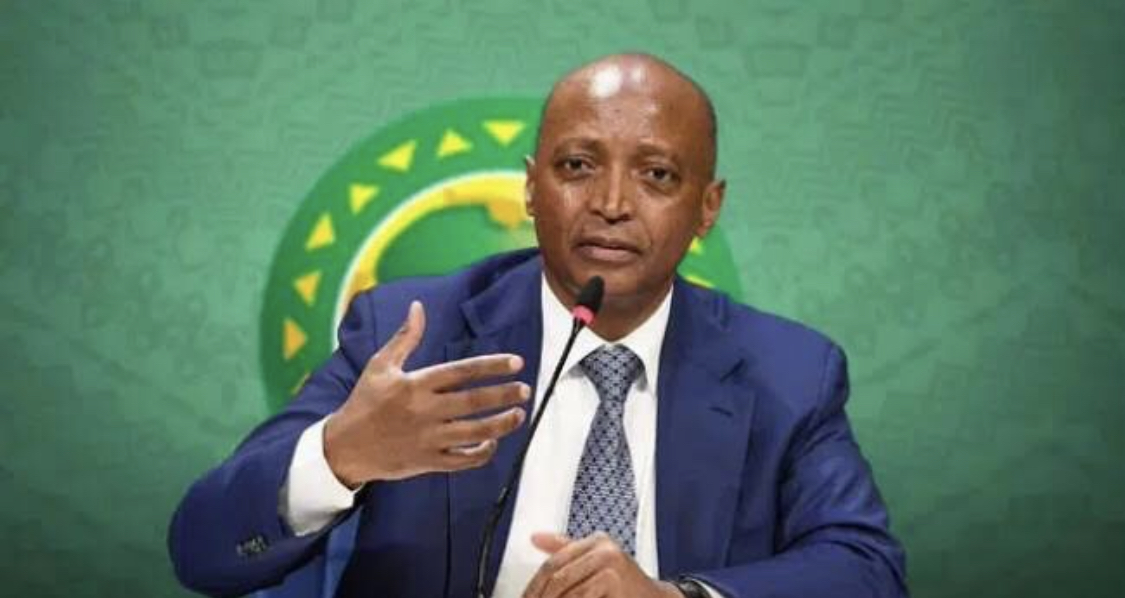
The president of the Confederation of African Football, Patrice Motsepe, has raised serious concerns over the composition of the Appeals Board that controversially stripped Senegal of the Africa Cup of Nations title and awarded it to Morocco.
Motsepe admitted he was “shocked” to discover that Moez Ben Tahir Nasri, president of the Tunisian Football Federation, was part of the CAF Appeals Board that delivered the ruling — a development widely viewed as a potential conflict of interest.
Speaking on the matter, Motsepe questioned how a sitting FA president could be involved in such a judicial process, stressing the importance of strict independence within CAF’s legal structures.
“When they said to me one of the people is the president of a member association, I said, ‘What the hell is this? How did he get there?’” Motsepe remarked, underscoring his surprise at the revelation.
CAF statutes and governance guidelines clearly discourage active federation presidents from serving on judicial bodies like the Appeals Board, as their roles could compromise neutrality. Nasri, who previously served as vice-president of the Appeals Board before becoming a federation president, is now seen as falling within a category that raises ethical and governance concerns under CAF regulations.
The controversy has been further intensified by reports suggesting Nasri’s perceived ties within North African football circles, fuelling debate over the impartiality of the decision that overturned Senegal’s AFCON triumph.
Despite the backlash, Motsepe revealed that legal advice presented to CAF indicated that due process was followed in the constitution of the Appeals Board. However, he acknowledged that the situation exposes gaps in governance that must be addressed moving forward.
The CAF president also emphasised the organisation’s commitment to respecting the independence of its judicial bodies, noting that he deliberately avoids involvement in such processes to maintain institutional integrity.
“These Chinese walls must not only be strong — they must be far apart,” he said, highlighting the need for clearer separation between administrative leadership and judicial decision-making.
Attention has now shifted to the Court of Arbitration for Sport, where Senegal has lodged an appeal against the ruling. Motsepe confirmed that CAF will fully abide by whatever decision the Lausanne-based court delivers.
The unfolding dispute has cast a shadow over CAF’s governance framework, with increasing calls for reforms to ensure transparency, accountability, and credibility in its decision-making processes.