


Cameroon Football in Turmoil as Bonus Payments Reveal Deep Contract Confusion
By Kazeem Ajibola Shoyebo
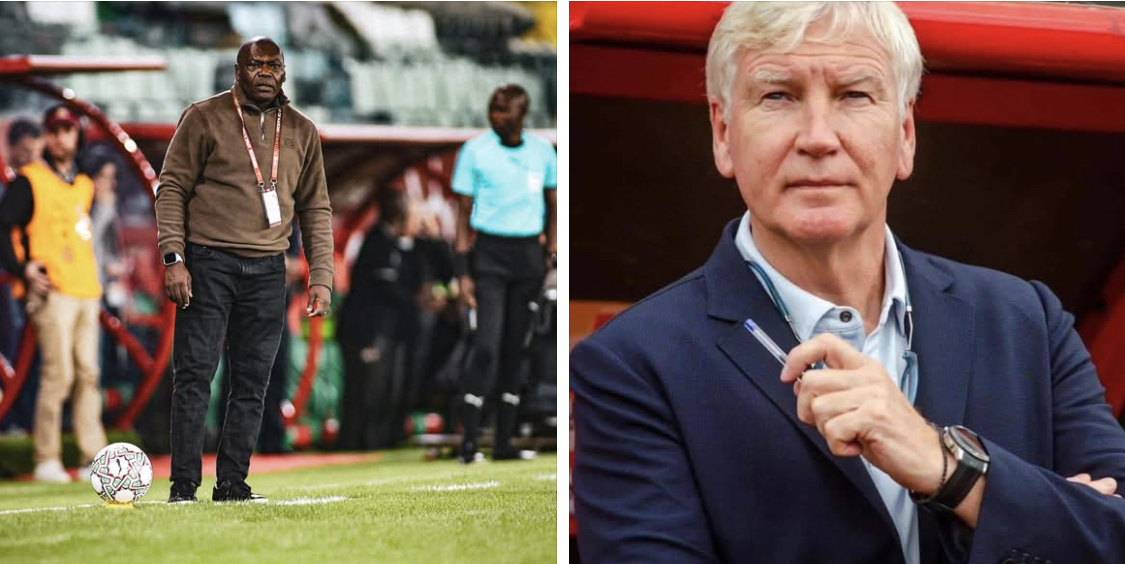
An extraordinary administrative conflict in Cameroonian football has spilled into the public eye following revelations that former national team coach Marc Brys received his Africa Cup of Nations bonuses while David Pagou, who coached the team during the tournament, has reportedly received nothing.
Brys, a Belgian coach appointed by Cameroon’s Ministry of Sports in April 2024 on a contract with the state, was widely understood to have been dismissed by the Cameroonian Football Federation (FECAFOOT) shortly before the start of the 2025 Africa Cup of Nations. However, according to sources close to the Ministry, no formal termination of his contract was ever communicated, meaning Brys legally remained the coach. As a result, he qualified for and received his performance bonus for the AFCON — a sum reported at just over 20 million CFA francs (roughly €30,500) linked to Cameroon’s progress to the quarter-finals of the tournament. Brys is also understood to have continued receiving his monthly salary, estimated between €44,000 and €60,000.
A Ministry of Sports official explained that the contract remained legally in force because “the state never officially terminated Mr. Brys’s contract.” The official added that “the administration cannot unilaterally suspend a contract without legal basis,” underscoring why Brys continued to be paid despite his removal from on-the-ground duties. Brys himself has publicly stated that he never received any formal dismissal letter and continues to view himself as Cameroon’s coach.
In stark contrast, David Pagou, the coach who led the Indomitable Lions during the AFCON tournament, is reported to have received no salary or bonus payments, simply because he never had a formal contract with the Ministry of Sports. Pagou’s appointment by FECAFOOT came on the eve of the competition, but the Ministry did not sign him or his technical staff to any contract, leaving him without legal entitlement to wages despite performing the role on the pitch.
Ministry officials have argued that FECAFOOT should assume responsibility for paying Pagou and his staff since it was the federation that selected and imposed that technical team. The federation, however, has rejected that position, insisting Pagou’s staff was coaching the national team and should not be held contractual limbo because of institutional disputes. This disagreement highlights a deep conflict of roles and responsibilities between Cameroon’s football governing bodies.
The situation has fuelled fresh debate about governance and coordination within Cameroonian football, revealing how administrative confusion and political power struggles can have real financial and professional consequences for coaching staff.
As Cameroon looks ahead to future competitions following its 2025 AFCON campaign, the lingering fallout from these payment discrepancies may continue to dominate discussions among fans, media and football authorities alike.