

By Yomi Kuku, Toronto, Canada
The controversy surrounding Somali referee Omar Abdulkadir Artan took a dramatic new turn on Tuesday after Canadian political leaders publicly declared that the FIFA official, denied entry to the United States ahead of the 2026 World Cup, would be welcomed in Canada.
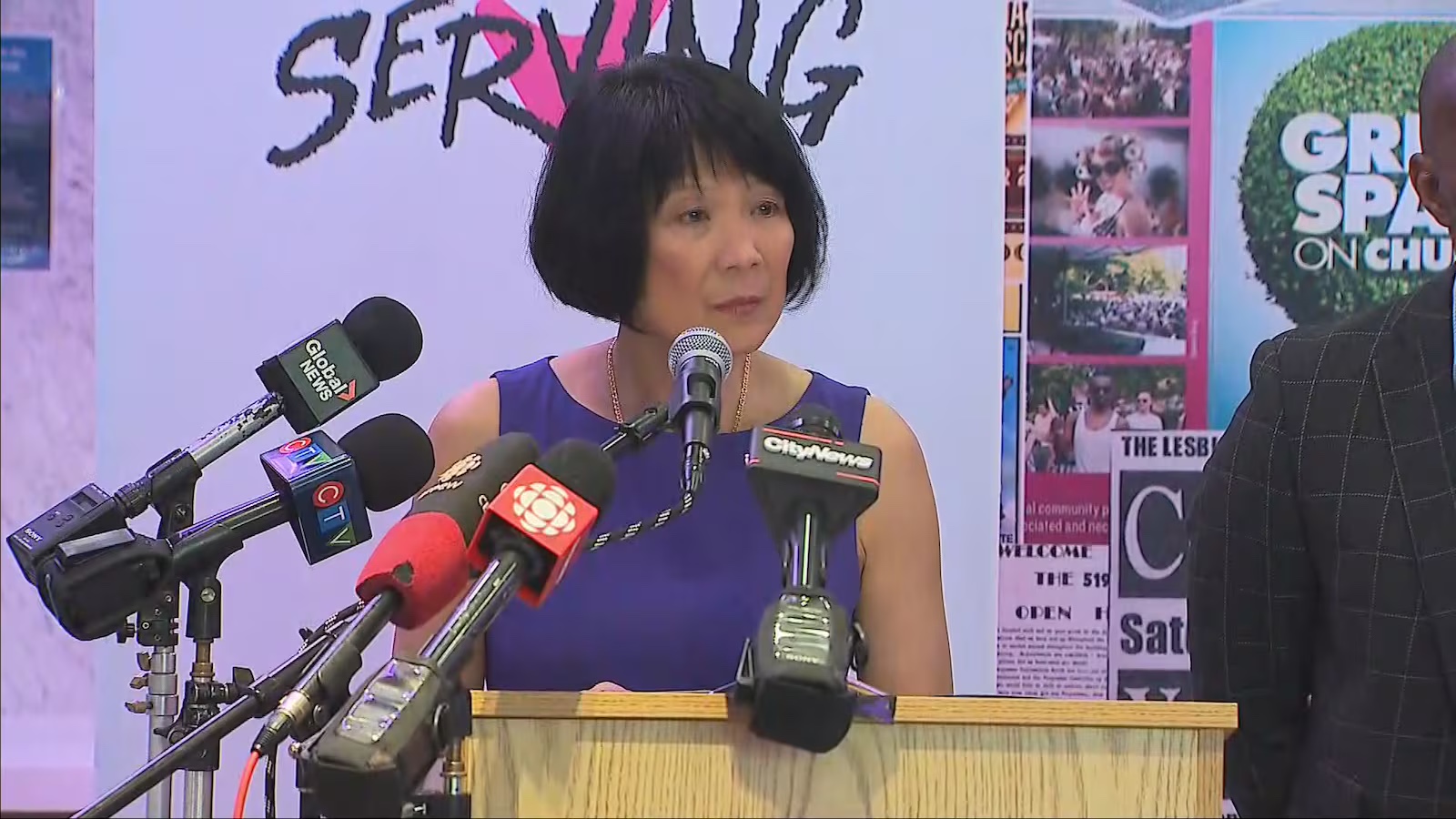
Toronto Mayor Olivia Chow said Artan, who was set to become the first Somali referee to officiate at a FIFA World Cup, would be welcome in Canada’s largest city, while British Columbia Premier David Eby went even further, suggesting the official should be allowed to referee matches in Vancouver.
“Let’s have him referee in Vancouver,” Eby wrote on social media, adding that Artan would be “welcomed and celebrated” in British Columbia for his achievements and perseverance.
The statements came days after U.S. authorities denied Artan entry upon his arrival at Miami International Airport, ending his hopes of participating in football’s biggest tournament despite holding a valid visa and FIFA accreditation. U.S. Customs and Border Protection said the Somali official was found inadmissible following additional screening and cited unspecified “vetting concerns” as the basis for the decision.
Artan’s exclusion has become one of the most controversial stories of the World Cup, drawing international attention because of the historic significance of his appointment. The 2025 Confederation of African Football Referee of the Year was poised to become the first Somali official ever selected to referee at a men’s FIFA World Cup finals.
Toronto Mayor Chow joined the growing chorus of support, stating that denying entry to someone who had earned his place on the world stage through dedication and merit was wrong. Her comments reflect a broader sentiment emerging across Canada, where political leaders, football supporters and members of the Somali community have rallied behind Artan following the decision.
Despite the public support, FIFA has made clear that Artan will not participate in the tournament. The governing body confirmed that because referees must be based at the centralized World Cup training hub in the United States before and during the competition, he is unable to train or officiate in matches hosted not only in the U.S. but also in Canada and Mexico. FIFA also reiterated that immigration and entry decisions remain the responsibility of host governments and are beyond its control.
The Somali government and football authorities have expressed disappointment over the outcome and have sought clarification regarding the circumstances that led to Artan’s exclusion. Somali officials have argued that the decision undermines football’s commitment to fairness and merit, noting that Artan had already passed FIFA’s rigorous selection process and obtained the necessary travel documents.
Artan himself has remained composed despite the setback. After returning from the United States, he thanked FIFA, the Confederation of African Football and the Somali people for their support, while expressing determination to continue his refereeing career.
The incident has also reignited debate over the challenges facing a World Cup co-hosted by three countries with differing immigration systems and security protocols. Critics argue that the exclusion of a FIFA-appointed official raises difficult questions about accessibility and inclusiveness at a tournament marketed as a global celebration of football. Supporters of the U.S. decision, meanwhile, point to the country’s right to make sovereign immigration and national-security determinations.
For Canada, however, the response has been unambiguous. While the referee’s World Cup dream may have ended at a U.S. border checkpoint, Canadian leaders are ensuring that his achievements are not overshadowed by the circumstances of his exclusion. Their message is clear: Omar Artan may have been denied entry to the United States, but in Canada, he would have been welcomed with open arms.
Leave feedback about this