

By Paul Lucky Okoku
Former Super Eagles International
Vice-Captain, Flying Eagles Class of 1983
-
A fatal overnight collapse in Fez reshapes the emotional landscape of Africa’s biggest football gathering.
-
Football unites a continent, but loss reminds us of our shared humanity.
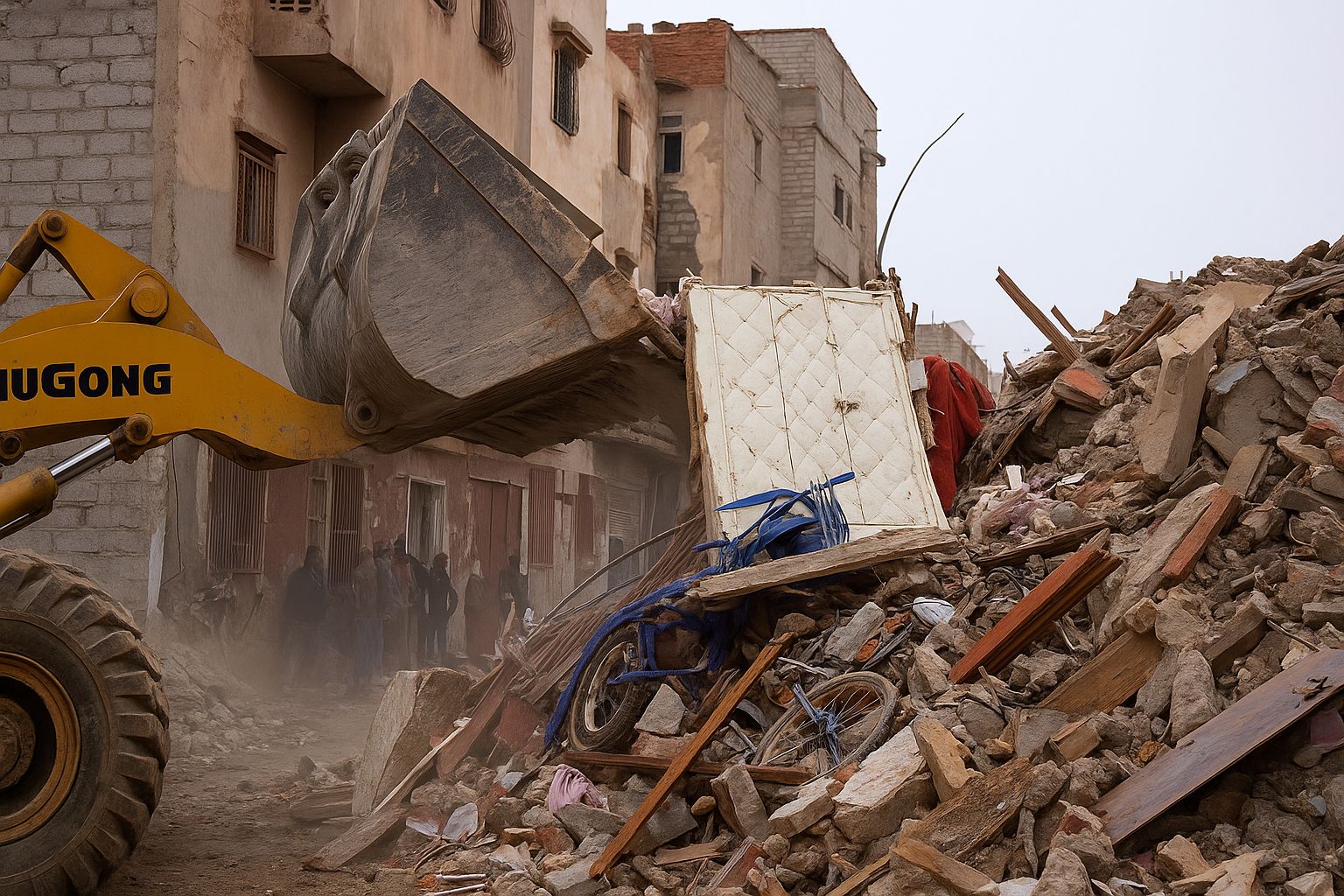
As Morocco readies itself to welcome Africa for the 2025 Africa Cup of Nations, a devastating incident has pierced the national mood and cast a solemn cloud over one of the tournament’s host cities. In Fez, a tightly packed residential district known as Al-Mustaqbal, two neighboring multi-storey blocks collapsed overnight on December 9–10, 2025, claiming the lives of at least 22 people and leaving 16 others injured.
Inside one of the buildings, families had gathered for an Aqiqah — a sacred rite marking the arrival of a newborn. Instead of joy, the night ended in anguish. Four children were among those who perished. Emergency responders labored through debris, while authorities opened inquiries into the collapse.
For Fez, this moment cuts far deeper than headlines. This city, steeped in centuries of history, culture, and tradition, where daily life flows through winding alleys and bustling markets, now grapples with grief. What should have been a period of excitement and continental celebration has become one of mourning, as the city prepares to welcome players, fans, and media from across Africa.
Fez is not on the periphery of AFCON — it is central. The city is scheduled to host several matches at the Complexe Sportif de Fès, including group-stage fixtures and at least one Round of 16 game. The tragedy unfolds amid preparations for a continental festival, reminding us that a city’s heartbeat lies not in its stadiums, but in the lives of its people.
Morocco’s AFCON venues span the nation — from Tangier in the north to Agadir in the south. Fez is a few hours’ drive from Rabat, Casablanca, and Marrakech. On a map, the distances may seem small, but grief knows no borders; it travels swiftly, linking communities in shared sorrow.
That proximity to Rabat opens a personal chapter for me.
Morocco is part of my football journey. In August 1983, Rabat was the stage for one of my most intense experiences on the pitch. I represented Nigeria in a decisive qualifier for the 1984 Africa Cup of Nations, alongside Chibuzor Ehilegbu and the late Isa Shofoluwe, elevated from the Flying Eagles to join the Super Eagles under Coach Adegboyega Onigbinde.
Before the match, we shared a pre-game brunch at our hotel with senior players including Stephen Keshi, Ademola Adesina, Peter Rufai, and legendary broadcaster Ernest Okonkwo. It was a quiet, human moment — laughter, guidance, and camaraderie — a brief pause before carrying the weight of a nation.
Our preparation began at Bembo Games Village in Ibadan, followed by travel through Lagos and Madrid. Two weeks prior, we had drawn 0-0 in Benin City. In Rabat, under immense pressure, the match remained tied after regulation. Nigeria triumphed in a penalty shootout, securing qualification for the 1984 AFCON in Côte d’Ivoire, where we earned silver medals after a final against Cameroon.
That story will deserve its own detailed telling, but for now, my heart is with Fez.
It is with families mourning loved ones, parents grieving children who never had the chance to live their full potential, and communities supporting one another amid tragedy. Fez is being asked to host Africa while carrying a weight no city should bear.
Across the continent, football unites millions — from Accra to Abuja, Bissau to Johannesburg, Khartoum to Dakar. AFCON will still bring flags, songs, and fierce competition. Yet in Fez, celebration and remembrance exist side by side. Visitors may cheer goals, but they will also feel the resilience of a city still healing.
In times like this, sport is measured not by scorelines, but by empathy. The true strength of African football lies in honoring life, respecting loss, and standing in solidarity with those in pain.
My thoughts and prayers are with all affected.
May the souls of the departed rest in peace.
In Fez, the game continues — but humanity comes first.
By Paul Lucky Okoku
Former Super Eagles International
Vice-Captain, Flying Eagles Class of 1983
Reflections, In My Own Words — Championing Fairness, One Story at a Time. ✍️
Leave feedback about this