

By Yomi Kuku, Toronto Canada
-
Not a Boycott — a Stand for Fair Play: FIFPRO Backs Korea Women’s Team in Fight for Decent Conditions
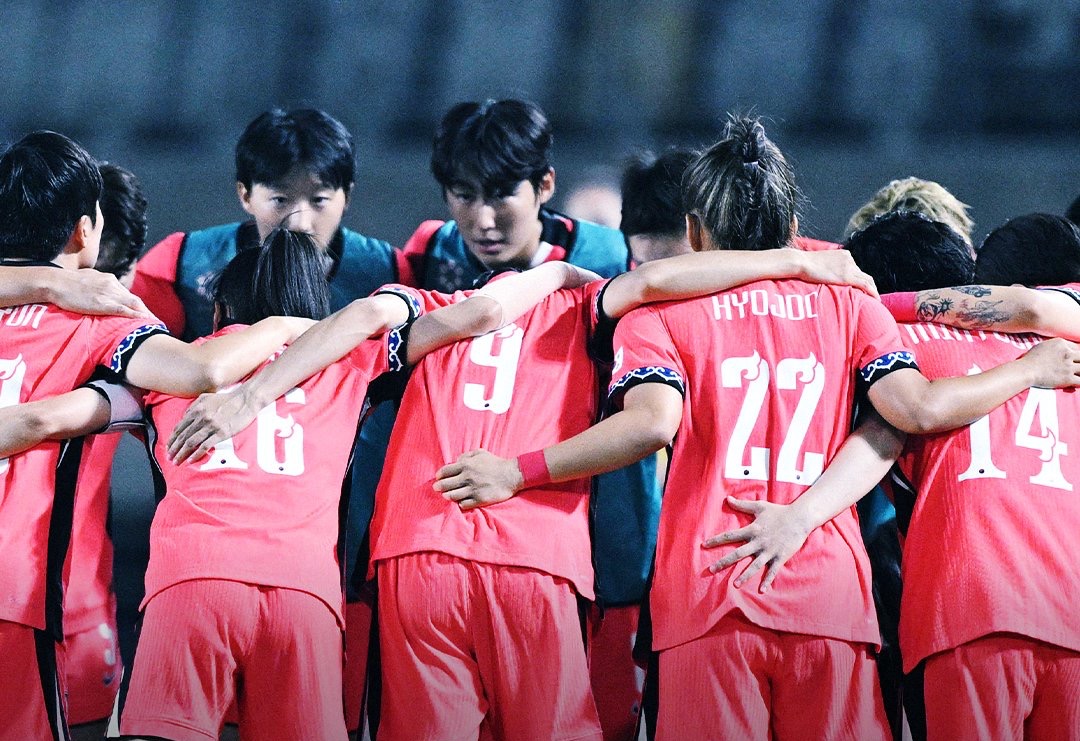
In recent weeks, international headlines have sensationalised the situation surrounding the South Korea women’s national football team as a looming “boycott” ahead of the 2026 AFC Women’s Asian Cup. However, the reality — as seen through the players’ own actions and broader player-rights context championed by FIFPRO — is far more nuanced and rooted in legitimate concerns about working conditions, dignity, and professional standards.
On September 26, 2025, 20 players from the South Korea women’s national team — supported by the Korea Pro-Footballers Association (KPFA) — submitted a confidential letter to the Korea Football Association (KFA), outlining long-standing concerns over the conditions under which they prepare and compete for their country.
The letter highlighted several ongoing issues, including inconsistent and poorly located training bases that disrupt preparation and recovery; inadequate accommodation far from training grounds and match venues, impacting rest and performance. Long-distance travel by standard buses and economy-class flights, increasing fatigue and reducing recovery time,
limited access to professional medical and recovery support compared with other elite national teams. Recurring shortages of essential equipment and logistical support for training and matches. No dedicated national team training facility to ensure focused preparation for competitions. ([스타뉴스][2])
The players made clear that their aim was structured dialogue with the KFA to address these fundamental issues, not confrontation or spectacle — a point widely lost in much of the media coverage.
Parts of the original confidential letter were leaked to the press without players’ consent, leading many outlets to frame the situation simplistically as a “boycott threat” rather than what it truly was: a last-resort safeguard clause in case no official response was offered by October 17, 2025.
This framing shifted discussions away from the substance, players’ working conditions, equity, and professional respect, toward sensational headlines around “demands” and “comparisons with the men’s team.” Those narratives have distressed players whose sole objective has been constructive.
The KFA’s reply on October 17, 2025 acknowledged the concerns and stated that many were already under internal review, but concrete dialogue beyond that acknowledgment has been limited.
From a players’ union standpoint, the Korea women’s team’s actions align with global trends highlighted in FIFPRO research — that working conditions for women’s national team players still lag behind acceptable professional standards**. A recent FIFPRO survey found that a significant majority of women players worldwide experience fatigue, limited recovery time, and challenging travel conditions that impact performance and wellbeing.
FIFPRO believes that:
* Players should not have to endure unsafe or unfair logistical and preparation environments simply for representing their country.
Structured, transparent dialogue between federations and players is essential to sustainable development in women’s football.
Mischaracterising legitimate labour concerns as confrontational “boycotts” undermines progress and damages trust.
The organisation reiterates its support for the KPFA and South Korea’s players, calling on the KFA to reengage in open and respectful talks that prioritise fair conditions and the health, performance, and dignity of the athletes.
The story of South Korea’s women’s national team isn’t about dramatic stand-downs or sensational headlines; it’s about players advocating for fundamental fairness — the kind of baseline conditions that every elite athlete around the world should expect. FIFPRO stands with them in insisting that voices are heard before a tournament begins, not after morale has been compromised or headlines have misled public perception.
Leave feedback about this