


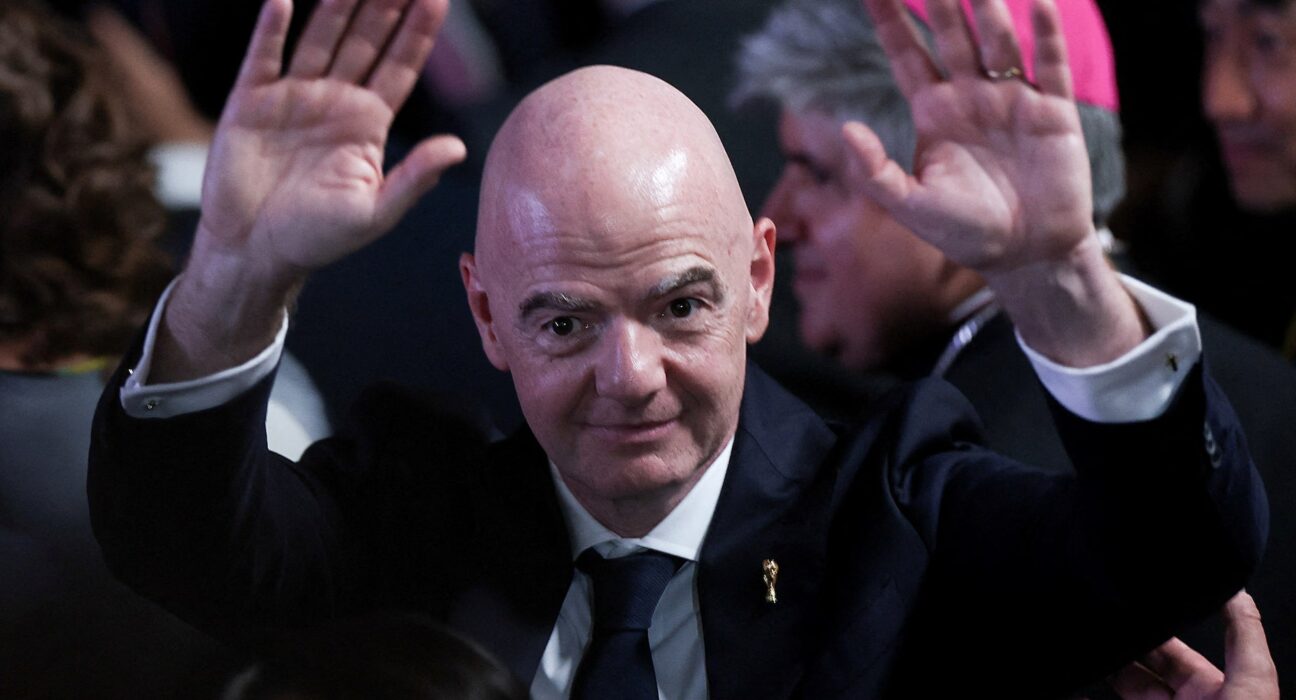
A global coalition of football supporters has launched a worldwide petition calling for the resignation of FIFA President Gianni Infantino and fundamental reforms to the governance of world football, adding fresh pressure on the FIFA chief as opposition to his leadership continues to grow.
The campaign, launched on Thursday, is being led by Football Supporters Europe (FSE) and backed by supporters’ organisations from different regions, including Football Supporters Africa and the Independent Supporters Council in North America. The coalition argues that football supporters must have a greater voice in decisions affecting the future of the sport.
The petition calls for Infantino to step down and demands stronger transparency, independent oversight, checks and balances on executive power, and formal involvement of supporters and other key football stakeholders in major decisions.
The supporters’ campaign comes amid an increasingly turbulent period for Infantino. His proposed FIFA Forward Enterprise, which envisaged restructuring FIFA’s commercial operations and attracting private investment into football-related commercial rights, generated substantial opposition before the proposal was withdrawn. European clubs and football authorities had raised concerns about governance, consultation and the concentration of commercial power.
Infantino is also facing growing dissent within FIFA’s own leadership. FIFA Vice-President Sandor Csanyi recently said he had lost confidence in the president, while UEFA President Aleksander Čeferin, AFC President Sheikh Salman bin Ebrahim Al Khalifa and CONCACAF President Victor Montagliani have also expressed opposition to aspects of Infantino’s leadership.
The supporters’ intervention therefore arrives at a particularly sensitive moment, with questions over Infantino’s future leadership gaining momentum ahead of the 2027 FIFA presidential election. At the same time, CAF President Patrice Motsepe has argued that anyone seeking to replace Infantino should follow FIFA’s established democratic procedures and allow the organisation’s 211 member associations to decide through an election.
The coalition, however, is framing its campaign as bigger than the future of one individual. Its central argument is that football governance must become more accountable to the people who sustain the game—supporters, players, clubs, national associations and other stakeholders—rather than being concentrated within a small circle of football administrators and commercial interests.
The latest petition adds another layer to an increasingly public struggle over the future direction of FIFA, with supporters’ groups now joining football associations, confederation officials and senior FIFA figures in demanding greater transparency and accountability.