


By Kazeem Ajibola Shoyebo
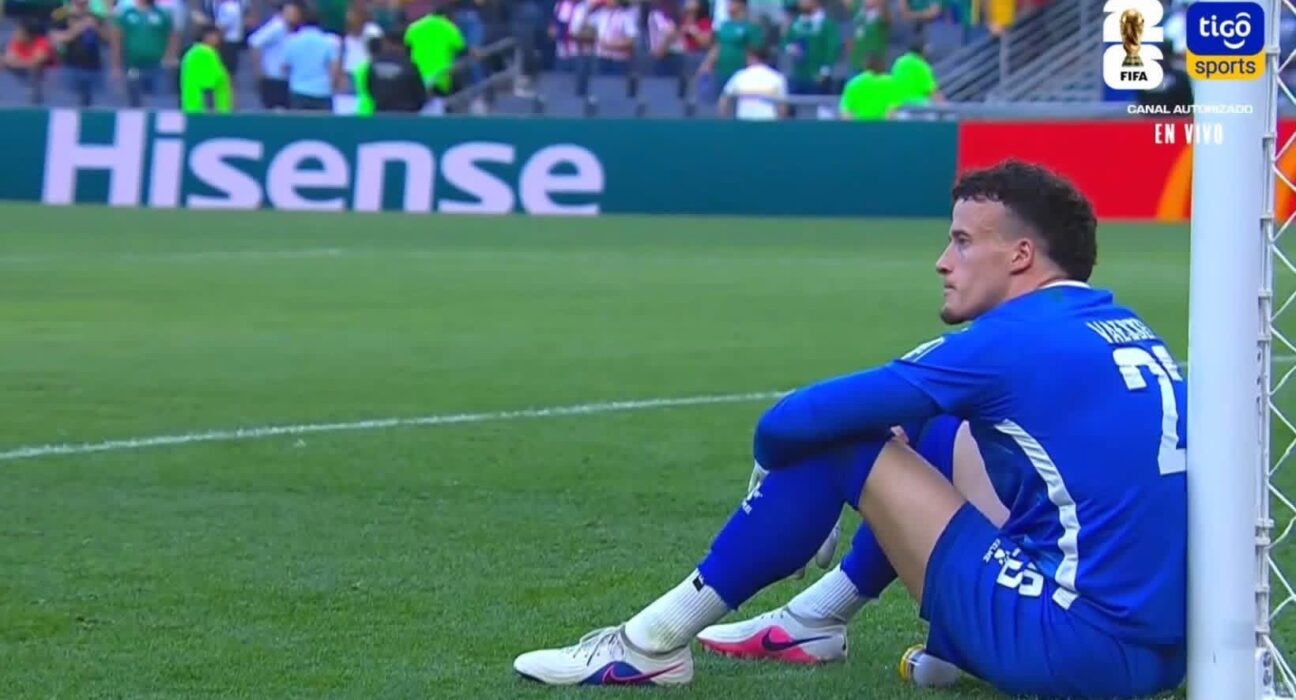
The fairytale run of the Suriname national football team came to a painful end on Thursday night as Bolivia staged a dramatic comeback to secure a 2–1 victory, ending Suriname’s hopes of qualifying for the FIFA World Cup 2026.
Suriname, chasing a first-ever appearance at the World Cup, had taken a crucial lead early in the second half but were undone by a late surge from the South Americans, who scored twice in seven minutes to snatch victory and advance to the final playoff round.
Dream Start, Painful Finish
After a tense and goalless first half, Suriname broke the deadlock in the 48th minute through Liam van Gelderen, capitalising on a defensive error to spark hopes of a historic qualification.
For a team that had travelled thousands of miles with belief and momentum, the goal felt like a defining moment — one that could have rewritten the nation’s football history.
However, the turning point came late in the match. Bolivia equalised in the 72nd minute through substitute Moisés Paniagua before completing the comeback just seven minutes later, when Miguel Terceros converted a penalty to seal a 2–1 win.
The rapid turnaround left Suriname stunned, their resistance broken in a matter of minutes.
A Squad Built on Ambition
Suriname’s journey to the playoff had been one of the most compelling stories of the qualification cycle. The team had undergone a transformation in recent years, driven by a deliberate effort to recruit dual-national players and strengthen the squad with European-based talent.
Players such as Joel Piroe and others with Dutch-Surinamese heritage added quality and depth, while the team’s tactical structure reflected a modern, progressive approach.
Behind the scenes, the influence of prominent football figures with Surinamese roots, including icons like Patrick Kluivert and Clarence Seedorf, symbolised a broader ambition to elevate the national team to global relevance.
For a nation that had never qualified for a World Cup, this campaign represented its most realistic opportunity yet.
From Underdogs to Contenders
Historically, Suriname has existed on the fringes of international football, often overshadowed despite producing world-class talent through its diaspora. For decades, many players of Surinamese origin opted to represent the Netherlands due to eligibility restrictions.
Recent regulatory changes, including the introduction of pathways for dual-national players, helped reshape the team’s identity and competitiveness.
That shift was evident throughout the qualifiers, as Suriname progressed to the intercontinental playoff — a stage that placed them just two wins away from the World Cup.
Their presence in Monterrey was not accidental; it was the result of strategic rebuilding and renewed belief.
Fine Margins, Cruel Outcome
Against Bolivia, Suriname showed discipline, organisation, and attacking intent — qualities that had defined their campaign. But at the highest level, fine margins often determine outcomes.
A defensive lapse led to their opening goal, but similar moments ultimately cost them the match. Bolivia’s experience and composure in key moments proved decisive, particularly in the closing stages.
The defeat not only ended their qualification hopes but also denied them a place in the final playoff match against Iraq, where a World Cup ticket would have been within reach.
A Dream Deferred, Not Destroyed
While the result brings immediate heartbreak, Suriname’s campaign may yet be remembered as a turning point. For the first time, the nation stood on the brink of global football’s biggest stage. Their progress reflects a team on the rise — one that has closed the gap on more established footballing nations.
The disappointment in Monterrey is real, but so too is the progress made. With a growing pool of talent and a clearer footballing identity, Suriname has laid the foundation for future qualification pushes.
In the end, Suriname’s World Cup dream ended not with a collapse, but with a cruel reminder of football’s unforgiving nature.
They led, they believed, and for a moment, they were within touching distance of history.
But as Bolivia celebrated a famous comeback, Suriname were left to reflect on what might have been — a dream delayed, yet no longer distant.