

Governor praises global spectacle but accuses football’s governing body of failing host state as tensions over transportation and financial burden continue
New Jersey Governor Mikie Sherrill has sharply criticized FIFA’s handling of its relationship with World Cup host authorities, describing football’s governing body as “not a good partner” despite praising the success of the 2026 FIFA World Cup hosted across the United States, Canada and Mexico. Her remarks come as scrutiny continues over the financial responsibilities placed on host cities and states.
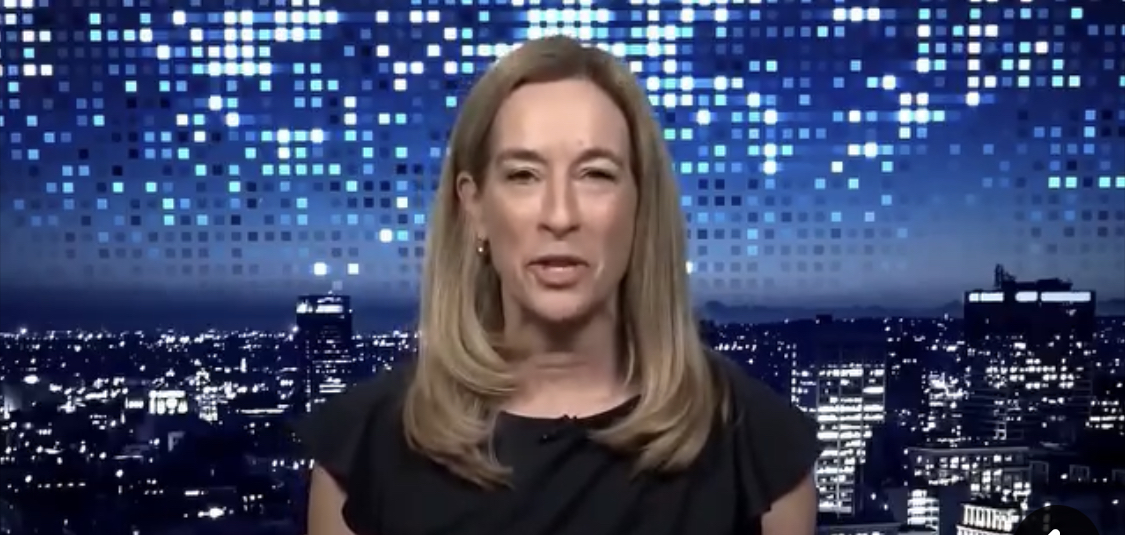
Speaking during an interview with veteran journalist Christiane Amanpour, Governor Sherrill acknowledged that staging the tournament had been a memorable experience but expressed frustration with FIFA’s approach to working with local authorities.
“It just has been a wonderful event.”
She then added a pointed assessment of FIFA’s role throughout the tournament.
“Working with FIFA has not been the most pleasant experience… They’re not a good partner.”
Sherrill’s comments are consistent with criticism she has voiced for months regarding the financial burden placed on New Jersey, which hosted several World Cup matches, including the final at MetLife Stadium.
Earlier this year, the governor publicly challenged FIFA over transportation costs, arguing that the governing body was unwilling to contribute financially despite expecting to generate billions of dollars in revenue from the tournament. She insisted that New Jersey taxpayers should not bear the cost of moving hundreds of thousands of supporters to and from matches.
The dispute centred largely on New Jersey Transit’s World Cup operations. State officials estimated that providing additional rail services and infrastructure would cost approximately $48 million, while FIFA was projected to generate around $11 billion in revenue from the tournament. Sherrill’s administration maintained that those costs should not fall on local residents.
In response, New Jersey introduced significantly higher match-day rail fares for World Cup spectators to help offset operational expenses. The decision initially drew criticism from fans but was defended by state officials as necessary to prevent ordinary commuters and taxpayers from subsidising the tournament. Following negotiations with corporate sponsors, the proposed fare was later reduced.
Despite her criticism of FIFA, Sherrill has consistently praised the tournament itself, highlighting its economic impact, international visibility and the opportunity to showcase New Jersey to a global audience.
Her latest remarks, however, underline ongoing tensions between host governments and FIFA over the distribution of financial responsibilities associated with staging major international sporting events.
FIFA has not publicly responded to Sherrill’s latest comments. Throughout preparations for the 2026 World Cup, the governing body maintained that responsibilities relating to transport, security and local infrastructure were governed by agreements negotiated with host authorities before the tournament.
With the World Cup now concluded, Sherrill’s criticism is likely to fuel broader debate over the cost of hosting global sporting events and whether future agreements should require international governing bodies to contribute more directly toward public infrastructure and operational expenses incurred by host cities and regions.
Leave feedback about this