


By Kazeem Ajibola Shoyebo
The United States has released $625 million in federal security funding for the 2026 FIFA World Cup, but mounting operational challenges and soaring transport costs are casting a shadow over preparations for football’s biggest tournament.
According to reports from Reuters, the funds—now distributed through Federal Emergency Management Agency (FEMA)—are intended to support security operations across host cities in the U.S., Canada, and Mexico ahead of the June–July tournament. However, disruptions within the Department of Homeland Security (DHS) have significantly slowed coordination efforts.
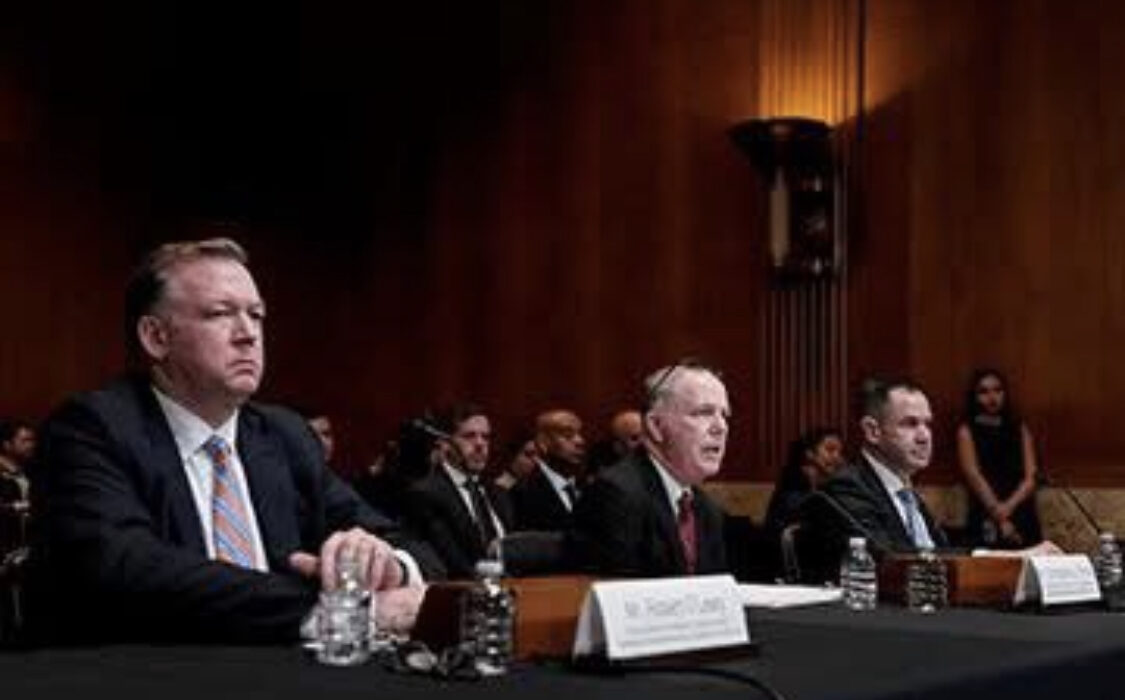
A partial shutdown within DHS led to widespread furloughs, including among Transportation Security Administration (TSA) officers, directly impacting planning timelines. Christopher Tomney, a DHS official, told U.S. senators that staffing shortages have hindered communication and coordination with local authorities responsible for hosting matches.
The delays come despite earlier intelligence briefings warning of potential logistical bottlenecks in security planning—raising concerns about readiness as the countdown to the tournament continues.
While the release of funds provides some relief—ensuring cities now have access to critical resources—the disruption has exposed vulnerabilities in what is expected to be one of the most complex multi-nation sporting events ever staged.
At the same time, a separate controversy is escalating over the cost of transportation for fans.
Train fares to MetLife Stadium—set to host marquee matches including the final—could exceed $100 each way during the tournament, a dramatic increase from the standard $12.90 fare. The spike has sparked backlash from state leaders and raised concerns about accessibility.
New Jersey Governor Mikie Sherrill has publicly called on FIFA to help subsidize transportation costs, pointing out that NJ Transit faces an estimated $48 million bill to move around 40,000 fans, while FIFA is projected to generate roughly $11 billion in revenue from the tournament.
Sherrill has insisted that taxpayers should not bear the financial burden of hosting, a position echoed by New York Governor Kathy Hochul, who also criticized the steep fare increases.
The issue is not isolated to New Jersey. Similar pricing surges are planned in Massachusetts, where train tickets between Boston and Foxborough could reach $80, with bus fares climbing as high as $95—further fueling concerns that fans could be priced out of attending matches.
Local leaders across host regions are now urging FIFA to step in and offset transport costs, arguing that affordable mobility is essential to delivering a successful and inclusive World Cup experience.
With security funding finally unlocked but coordination still lagging—and fan costs rapidly rising—the road to 2026 is proving far more turbulent than anticipated.