

By Paul Lucky Okoku
-
Resilience, tactical discipline, and a penalty shootout sparkling with composure.
-
When structure outplays flair, medals are earned.
-
Tournaments reward teams that remain disciplined when emotion demands reaction.
Match Summary & Final Outcome
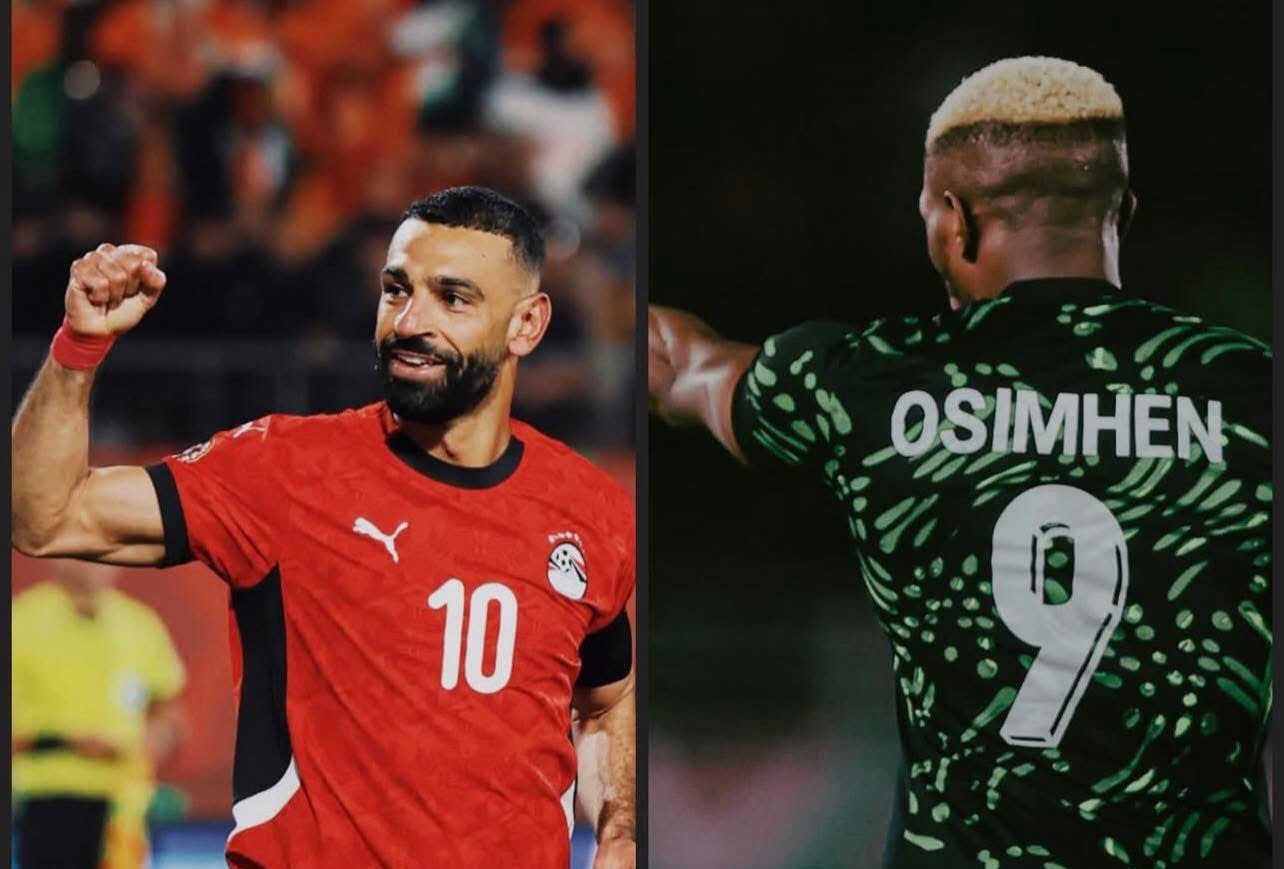
🏆⚽️ AFCON 2025 Bronze Medal Match: Nigeria Super Eagles 🇳🇬 vs Egypt Pharaohs🇪🇬
Final Score:
Nigeria 0–0 Egypt (Nigeria win 4–2 on penalties)
In a tightly contested AFCON 2025 third-place playoff at *Stade Mohammed V, Casablanca,* Nigeria and Egypt played out a tense goalless draw across regulation time. With no extra time required under third-place playoff rules, the match proceeded directly to penalties, where Nigeria prevailed 4–2 to claim the bronze medal.
This was not a match defined by spectacle. It was defined by restraint—two experienced African powers prioritizing shape, discipline, and risk management, fully aware that a single lapse could decide the contest.
Match Facts & Key Outcomes
• Nigeria secured third place at the 2025 Africa Cup of Nations after defeating Egypt 4–2 on penalties, following a 0–0 draw on January 17, 2026.
• Goalkeeper Stanley Nwabali delivered the defining performance, saving penalties from Mohamed Salah and Omar Marmoush to secure Nigeria’s ninth AFCON bronze medal.
• Egypt enjoyed marginally more possession, but Nigeria generated the clearer chances when it mattered.
• Possession: Egypt approximately 53%, Nigeria 47%.
• Attacking output: Egypt attempted five shots, only one on target; Nigeria attempted four shots, producing the more threatening efforts on goal.
• Penalty shootout: Nigeria converted four, Egypt two, with Ademola Lookman dispatching the decisive kick.
• Crucial decision: A Nigeria goal by Paul Onuachu was ruled out for offside in the 36th minute following VAR review, correctly overturning the initial celebration.
• Nigeria penalty sequence: Dele-Bashiru missed; Akor Adams, Moses Simon, Alex Iwobi, and Ademola Lookman converted.
• Egypt penalty sequence: Salah and Marmoush were denied; Rami Rabia and Mahmoud Saber scored.
• Discipline & set pieces: Nigeria received *three yellow cards, Egypt none; Nigeria also edged the corner count 4–2.
• The victory extended Nigeria’s strong tradition in third-place playoffs, marking their seventh consecutive AFCON third-place victory.
Key takeaway: Nigeria produced fewer attempts overall, but with far superior shot quality—clinical when it mattered, composed when pressure peaked.
Key Match Events & Discipline
• Nigeria cautions:
Paul Onuachu (39′), Moses Simon (45′), Igoh Ogbu (87′)
• Egypt: No bookings
• Nigeria goals disallowed:*
• 36′ — Offside (correctly adjudicated)
• Second half — Offside (again correctly called)
These marginal decisions shaped the rhythm and psychology of a finely balanced contest.
Lineups & Tactical Shapes
Egypt
Formation: 4-2-3-1
Shobeir; Sobhy, Rabia, Hany, Fathy; Lasheen, Ashour; Zizo, Salah, Hassan; Marmoush
Substitutions: Marmoush (60′), Saber (61′), Adel (73′)
Nigeria
Formation: 4-4-2
Nwabali; Osayi-Samuel, Ogbu, Ajayi, Onyemaechi; Onyedika, Dele-Bashiru; Chukwueze, Simon; Onuachu, Adams
Substitutions: Lookman (46′), Iwobi (65′), Awaziem & Ejuke (90′)
First Half: Egypt’s Control, Nigeria’s Resistance
Egypt dominated early possession, circulating the ball patiently and attempting to draw Nigeria out of shape. Mohamed Salah frequently dropped deep to dictate tempo, but Nigeria’s midfield remained compact, limiting central penetration.
Nigeria’s disallowed goal midway through the half altered the match narrative—clear evidence that chances existed, but that precision and timing would decide everything.
Defensively, Nigeria stayed organized. Egypt’s possession lacked incision.
Second Half: Adjustments Without Chaos
Nigeria introduced Ademola Lookman at halftime, increasing verticality and counter-pressing intent. Another Nigerian goal was ruled out for offside—again marginal, again correct.
Egypt’s substitutions added bodies but not penetration. Nigeria’s defensive block remained intact, and clear chances remained scarce.
The match never descended into panic. That was the point.
Penalty Shootout: Composure Under the Spotlight
Nigeria elected to kick first—often a psychological advantage at elite level.
• Nigeria: four of five converted
• Egypt: two of four converted
Nigeria’s body language told the story: calm, deliberate, assured.
One defining moment saw Moses Simon—naturally left-footed—confidently convert with his right foot. That single act captured the mental clarity of the evening.
In-Game Analytical Breakdown
Shot Quality Over Shot Volume
Nigeria were selective and purposeful. Egypt were cautious and ultimately sterile.
Discipline & Control
Despite three yellow cards, Nigeria never lost structural discipline. Egypt’s clean disciplinary record did not translate into control of decisive moments.
VAR & xG Clarification (Context)
Expected Goals (xG) estimates scoring probability based on chance quality, not outcome. Both teams recorded modest xG values due to conservative build-up and limited shooting angles.
VAR intervenes only in goals, penalties, straight red cards, and cases of mistaken identity. No controversial interventions occurred in this match.
What This Result Means
This bronze medal reinforces Nigeria’s identity as a tournament team built on:
• Tactical patience
• Squad depth
• Psychological resilience
It was not flashy. It was functional. And it worked.
Why This Bronze Feels Like Gold — What Nigeria Can Build On
This bronze medal was not just a podium finish—it was validation.
Validation of structure. Validation of belief. Validation of continuity. And, perhaps most importantly, validation that Nigeria’s football future is deeper and more stable than many imagined.
1. Continuity Is No Longer Theory — It Is Working
The Super Eagles trusted structure under pressure. Despite missing key players, they never panicked or abandoned their shape. This is coaching continuity in action.
2. Squad Depth Is Real, Not Cosmetic
Nigeria played without Victor Osimhen, Calvin Bassey, and Wilfred Ndidi—and did not collapse. That is depth, not coincidence.
3. “Replacement Players” Proved a Myth
Igoh Ogbu did not merely fill a gap; he owned his space. Calm, physical, and disciplined. There are no reserve players at national-team level—only prepared professionals.
4. Penalties Rewrote the Mental Narrative
After semifinal criticism, Nigeria responded with clarity. They kicked first. They stayed composed. They converted.
5. Belief Shifted the Outcome
Once players say “I can,” execution follows. This team believed—individually and collectively.
6. Absence of Stars Did Not Weaken Identity
Nigeria did not look diminished. Systems mattered more than individuals.
7. African Coaches Quietly Redefined Success
All four semifinalists were led by African coaches—proof that cultural understanding is an advantage, not a liability.
8. The Bronze United, Not Divided
Nigeria defeated Tunisia, pushed Morocco to the limit, and overcame Egypt with composure. No bitterness. Only pride.
Why the Super Eagles Missed the On-Field Bronze Medal Ceremony
Scheduling Conflict After the Third-Place Match
The Super Eagles did not receive their bronze medals during an on-field ceremony in Morocco due to scheduling constraints. The AFCON 2025 third-place playoff was played on Saturday, January 17, 2026, while the official medal presentation was scheduled to take place after the tournament final on Sunday, January 18, 2026.
With club commitments immediately following the match, most Nigerian players departed Morocco shortly after the final whistle to rejoin their respective clubs in Europe and elsewhere.
NFF President Collected Medals on Behalf of the Team
In the absence of the players, Nigeria Football Federation (NFF) President Ibrahim Gusau officially collected the bronze medals on behalf of the Super Eagles. This ensured that Nigeria’s third-place finish was formally recognized despite the team’s early departure.
Alex Iwobi’s Role in Medal Distribution
Midfielder Alex Iwobi* remained behind in Morocco to help facilitate the logistics of medal distribution. Working closely with the NFF, arrangements were made for each medal to be delivered individually to players via DHL, ensuring that every squad member received their rightful award.
Final Reflection
This match was not loud.
It was not emotional.
It was not chaotic.
It was structured.
And structure—not emotion—won Nigeria the bronze.
That is why the future looks bright.
“When structure holds, even bronze shines like gold.”
Editorial Note
This analysis documents facts, tactical patterns, and historical context in Nigerian football. It is not intended to apportion blame, but to provide clarity, continuity, and evidence that can inform public discourse.
If this piece added clarity or perspective, feel free to share it.
Paul Lucky Okoku
Former Nigerian International Footballer | Football Analyst
Published Online
Former Nigerian Super Eagles International
• CAF Africa Cup of Nations (AFCON) 1984 — Silver Medalist
• WAFU Nations Cup 1983 — Gold Medalist
• CAF Tesema Cup (U-21) 1983 — Gold Medalist
• FIFA U-21 World Cup, Mexico 🇲🇽 1983 — *Vice-Captain, Flying Eagles of Nigeria 🇳🇬 (Class of 1983)
Leave feedback about this