

By Yomi Kuku, Toronto, Canada
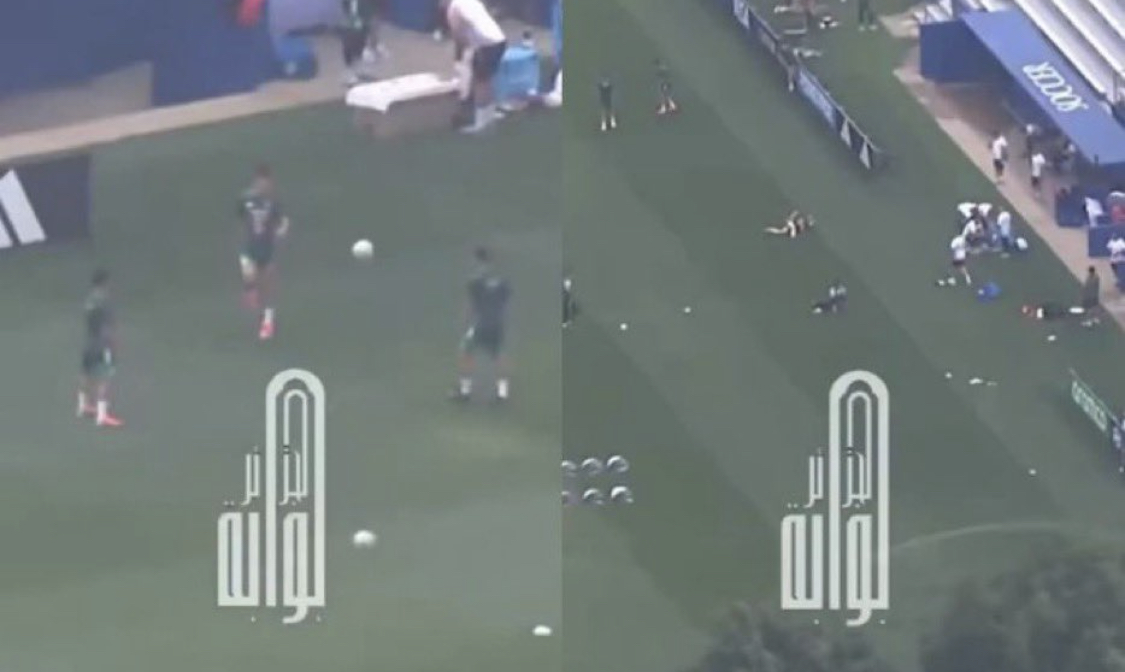
A fresh controversy has erupted at the 2026 FIFA World Cup after Algeria’s national team reportedly discovered that parts of a closed training session had been filmed from the air and later broadcast by a local American television station, despite strict measures implemented to protect tactical preparations ahead of a crucial clash with Argentina.
Algeria head coach Vladimir Petković had prohibited media outlets from attending or filming training sessions in a bid to keep tactical plans away from opponents before the team’s World Cup opener against Argentina. However, footage allegedly captured by drones operating outside the training ground perimeter was later aired by a local television channel, exposing portions of the session to the public.
The incident has sparked outrage among Algerian supporters and intensified concerns about privacy, competitive integrity and security at a tournament already facing scrutiny over several off-field controversies. Algeria’s preparations for its opening World Cup match have been among the most closely watched after coach Petković guided the Desert Foxes back to the tournament and recently earned a contract extension through 2028 following a strong run of results.
The reported drone filming has also revived memories of previous football espionage scandals, where teams have gone to extraordinary lengths to protect tactical information before major matches. In modern football, closed training sessions are common practice, particularly before knockout matches or high-profile group-stage encounters, as coaches seek to conceal formations, set-piece routines and selection decisions from opponents and the media.
What makes the Algeria incident particularly sensitive is the growing emphasis on airspace security around World Cup venues and training facilities. U.S. authorities have already confirmed that extensive counter-drone systems have been deployed across tournament sites, with federal agencies identifying unauthorized aerial activity as a major security concern throughout the competition.
Questions are now being asked about how drones were allegedly able to capture footage of a session that had been deliberately closed to the media. While there is currently no public evidence that the broadcaster acted illegally, the episode has raised concerns about whether existing rules adequately protect teams from aerial surveillance during major international tournaments.
Neither FIFA nor U.S. authorities had publicly announced disciplinary measures related to the incident at the time of reporting. Likewise, there has been no indication that Argentina or its coaching staff had any involvement in obtaining the footage.
The controversy arrives amid wider debates about the treatment of teams and officials during the World Cup. Recent headlines have included the denial of entry to Somali referee Omar Abdulkadir Artan, disputes involving fan access, and complaints from several delegations regarding security procedures and immigration screenings. Against that backdrop, the Algeria drone episode has added another layer to concerns about whether all participants are operating under the same conditions throughout the tournament.
Leave feedback about this