

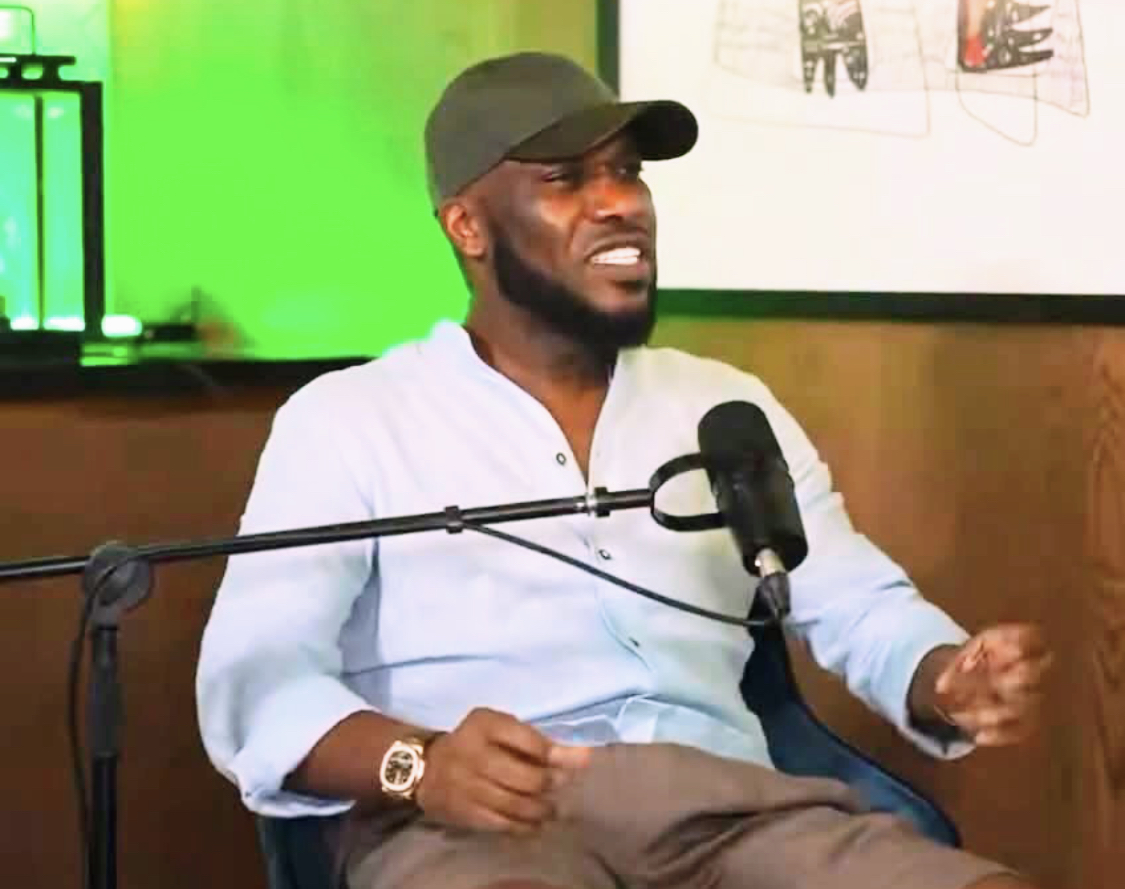
Nigeria football legend Austin “Jay-Jay” Okocha has thrown his weight behind John Obi Mikel’s outspoken criticism of the Nigeria Football Federation, admitting that personal relationships have made him more cautious about speaking publicly on the country’s football administration.
Okocha’s remarks come amid renewed scrutiny of the NFF following Nigeria’s failure to qualify for the 2026 FIFA World Cup. The Super Eagles missed the tournament after losing to DR Congo in the African playoff final, extending Nigeria’s absence from the World Cup to two consecutive editions.
The former Super Eagles captain said Mikel deserves credit for having the courage to publicly confront issues surrounding Nigerian football, while acknowledging that his own relationship with the NFF president has complicated his position.
Okocha also revealed the personal embarrassment he experiences when former football colleagues, including Brazilian legend Ronaldinho, question him about Nigeria’s repeated failure to qualify for the World Cup. The questions, he suggested, underline the seriousness of the country’s football decline.
Mikel has been one of the most vocal former internationals demanding accountability from the NFF. Through his Obi One Podcast, the former Chelsea midfielder repeatedly questioned the federation’s leadership and argued that officials should take responsibility for Nigeria’s World Cup failure.
For Okocha, however, the debate goes beyond one failed qualification campaign. His comments reflect the difficult position occupied by former Nigerian internationals who remain connected to football’s leadership while also facing growing public pressure to challenge decisions affecting the national team.
The development is significant because Okocha is among the most respected figures in Nigerian football, and his acknowledgement of Mikel’s stance gives additional weight to calls for greater accountability and reform within the country’s football administration.
With two successive World Cups now missed, the question confronting Nigerian football is becoming increasingly difficult to avoid: will the country’s football authorities respond with fundamental change, or continue with the same structure that has produced repeated disappointment?
Leave feedback about this