

By Yomi Kuku, Toronto, Canada
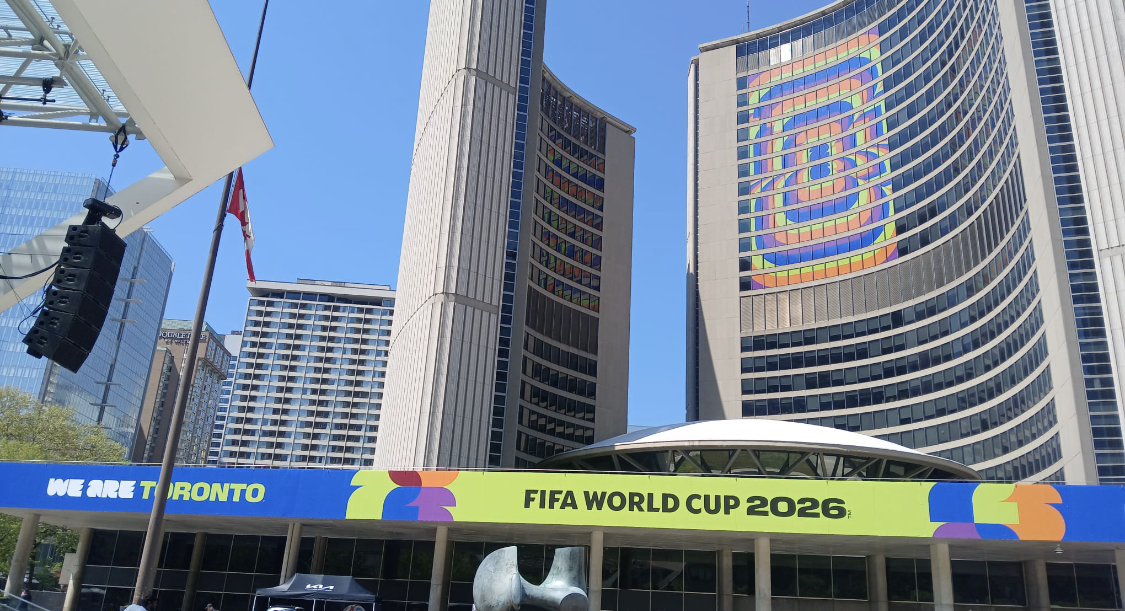
Toronto City Hall is facing mounting criticism after confirming that thousands of FIFA World Cup 2026 tickets purchased through its host-city allocation are being resold to corporations and sponsors in a bid to offset the city’s massive cost of staging the tournament.
The controversy erupted after Mayor Olivia Chow’s office defended the practice, insisting the strategy was designed to prevent local property taxpayers from shouldering Toronto’s share of the World Cup bill. According to the mayor’s office, Toronto City Council approved a plan in 2025 allowing the city to purchase FIFA tickets and package them for corporate hospitality, sponsorship, and fundraising opportunities, with a third-party vendor handling sales on the city’s behalf. Similar opportunities were offered to all FIFA host cities.
The City of Toronto purchased more than 3,500 match tickets through host-city privileges and has reportedly sold almost all of them. Mayor Chow rejected accusations that the city was acting as a ticket scalper, arguing that revenue generated from ticket sales, sponsorships, hotel taxes, and private fundraising would help ensure taxpayers are not left paying the bill for hosting the tournament.
At the heart of the dispute is Toronto’s estimated FIFA World Cup hosting cost of approximately CAD $380 million. While federal and provincial governments are contributing roughly CAD $200 million, the city remains responsible for about CAD $180 million. Chow’s office says the ticket resale strategy is part of a broader financial plan intended to close that gap without relying on property tax revenues.
The issue has become even more contentious because Ontario recently enacted legislation prohibiting the resale of event tickets above face value. The province’s “Putting Fans First Act” forced FIFA to revise its resale policies for Toronto matches and temporarily remove Toronto tickets from its official resale marketplace while the system was updated to comply with the new law. Under the revised rules, tickets for matches in Toronto can only be resold at their original purchase price on FIFA’s official platform.
The Ford government has since warned FIFA about what it describes as potential non-compliance with Ontario’s anti-scalping regulations, highlighting growing tensions over ticket pricing and accessibility ahead of the tournament.
Public frustration has also been fuelled by concerns that ordinary fans are being priced out of the World Cup experience. Toronto had already faced backlash over plans to charge admission to its FIFA Fan Festival before reversing course following public criticism. Questions about affordability intensified after New York City announced a program offering 1,000 World Cup tickets to residents through a lottery system at just $50 each, putting pressure on other host cities to provide similar opportunities.
Vancouver, Canada’s other host city, confirmed that it too purchased thousands of FIFA tickets and plans to sell most of them through sponsorship and hospitality programs to generate revenue, suggesting Toronto’s approach is not unique among host cities.
The dispute comes amid broader scrutiny of FIFA’s ticketing model. The governing body has faced criticism across North America over soaring ticket prices, resale practices, and accessibility concerns. Despite FIFA projecting record revenues from ticket and hospitality sales, officials have faced growing pressure to make the tournament more affordable for local supporters.
With kickoff now underway and public attention intensifying, Toronto’s ticket strategy has become a flashpoint in a larger debate over who truly benefits from hosting mega-sporting events: taxpayers, fans, or the corporations able to afford premium access.
Leave feedback about this