

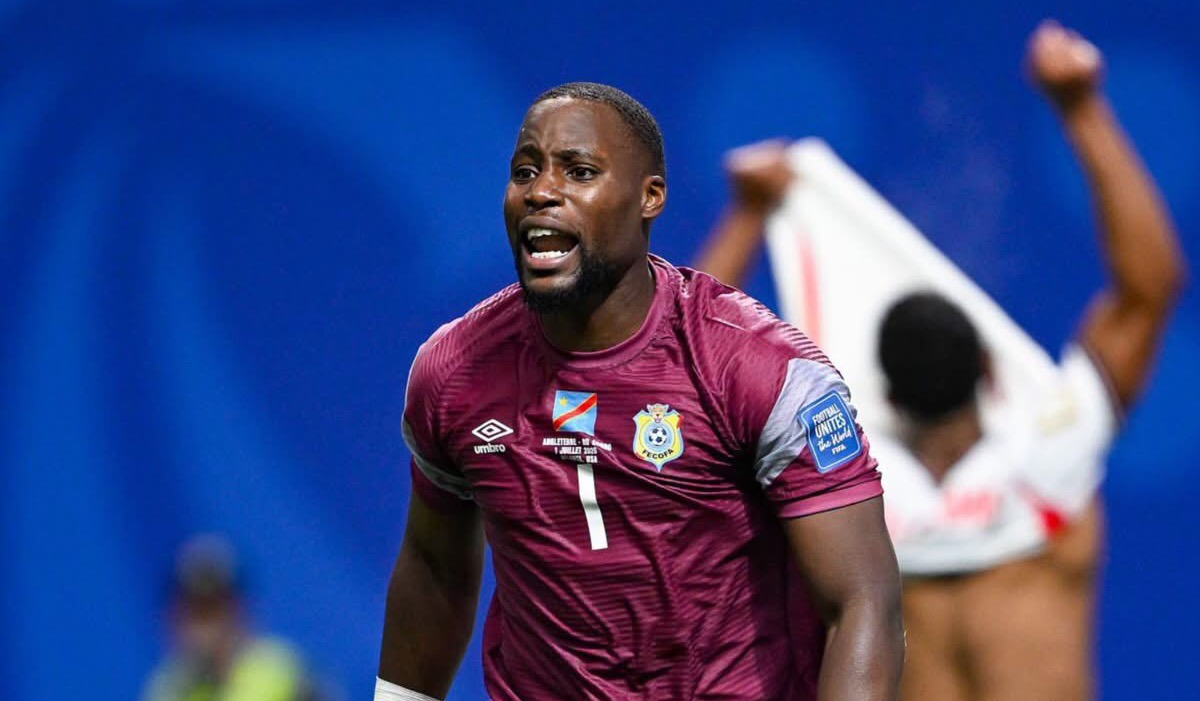
The fallout from the Lionel Mpasi eligibility controversy has widened beyond Nigeria, with Jamaica now seeking answers from FIFA over the DR Congo goalkeeper’s appearance in the decisive World Cup intercontinental play-off.
The Jamaica Football Federation is preparing to approach FIFA after reports alleged that the governing body was aware of questions surrounding Mpasi’s eligibility before DR Congo faced Jamaica in the March 2026 play-off.
Jamaica lost the decisive encounter 1–0, allowing DR Congo to secure its place at the 2026 FIFA World Cup. The Jamaica Football Federation has since acknowledged the reports and indicated that it intends to seek clarification from FIFA. The controversy centres on Mpasi’s international affiliation.
According to investigations by The New York Times and Le Monde, FIFA’s legal department discovered in March that the goalkeeper had not completed the formal process required to switch his sporting affiliation after previously representing France at youth level.
The reports say DR Congo’s football federation had initiated the process in 2021, but the change was never completed. FIFA lawyers subsequently identified the problem while examining the broader eligibility dispute involving Nigeria. The timing of the discovery has become a major point of contention.
By March, DR Congo had already defeated Nigeria in the African play-off final. FIFA’s legal officials were reportedly considering whether the eligibility issue should lead to sanctions before DR Congo played Jamaica for the final World Cup qualification place.
Among the options reportedly considered were removing DR Congo from the intercontinental play-off, awarding the relevant match to an affected opponent, imposing financial penalties or taking no further action because of procedural issues surrounding Nigeria’s complaint.
No sporting sanction followed, and Mpasi subsequently featured for DR Congo at the World Cup. FIFA’s official squad list for the tournament includes Mpasi as DR Congo’s goalkeeper, while FIFA’s own World Cup coverage also documented his participation in the competition. The controversy has now acquired a wider dimension because Jamaica was directly affected by the March play-off result.
JFF president Michael Ricketts told The Gleaner that the federation had taken note of the allegations and planned to act, potentially opening another formal chapter in the dispute.
FIFA, however, maintains that its judicial bodies are autonomous and that decisions are made according to the applicable regulations and the facts formally presented to them. The organisation has rejected suggestions that Infantino personally intervened in the case.
The controversy therefore now involves three national associations — Nigeria, Jamaica and DR Congo — and centres on whether FIFA’s handling of Mpasi’s eligibility was consistent with its own disciplinary procedures.
For Nigeria, the issue concerns the play-off that ended its World Cup hopes. For Jamaica, it concerns the match that determined the final qualification route. And for FIFA, it has become another test of transparency and consistency in the administration of its international competitions.
Leave feedback about this